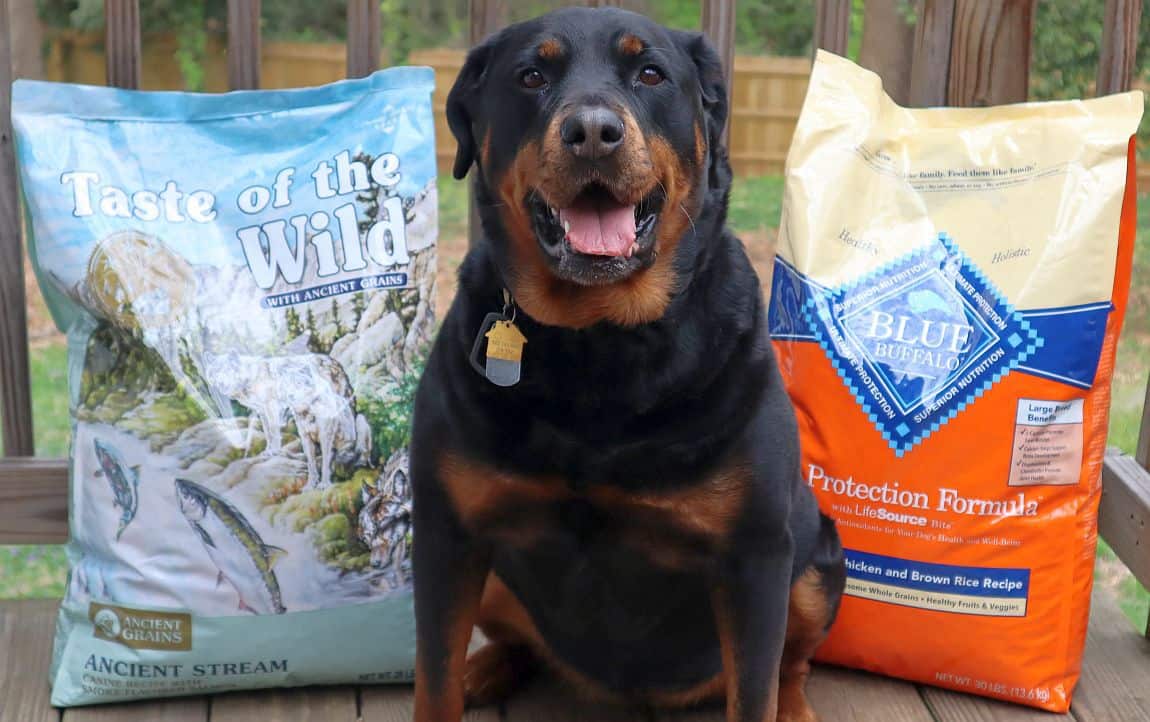
Taste of the Wild fits value. Blue Wilderness leans higher protein and variety.
If you are torn on Taste of the Wild vs Blue Wilderness, you are not alone. I help pet parents weigh these two brands every week. In this guide, I break down the facts, share real results, and show when each brand shines. By the end, you will know which food fits your pet, your budget, and your peace of mind.
Brand snapshot and philosophy
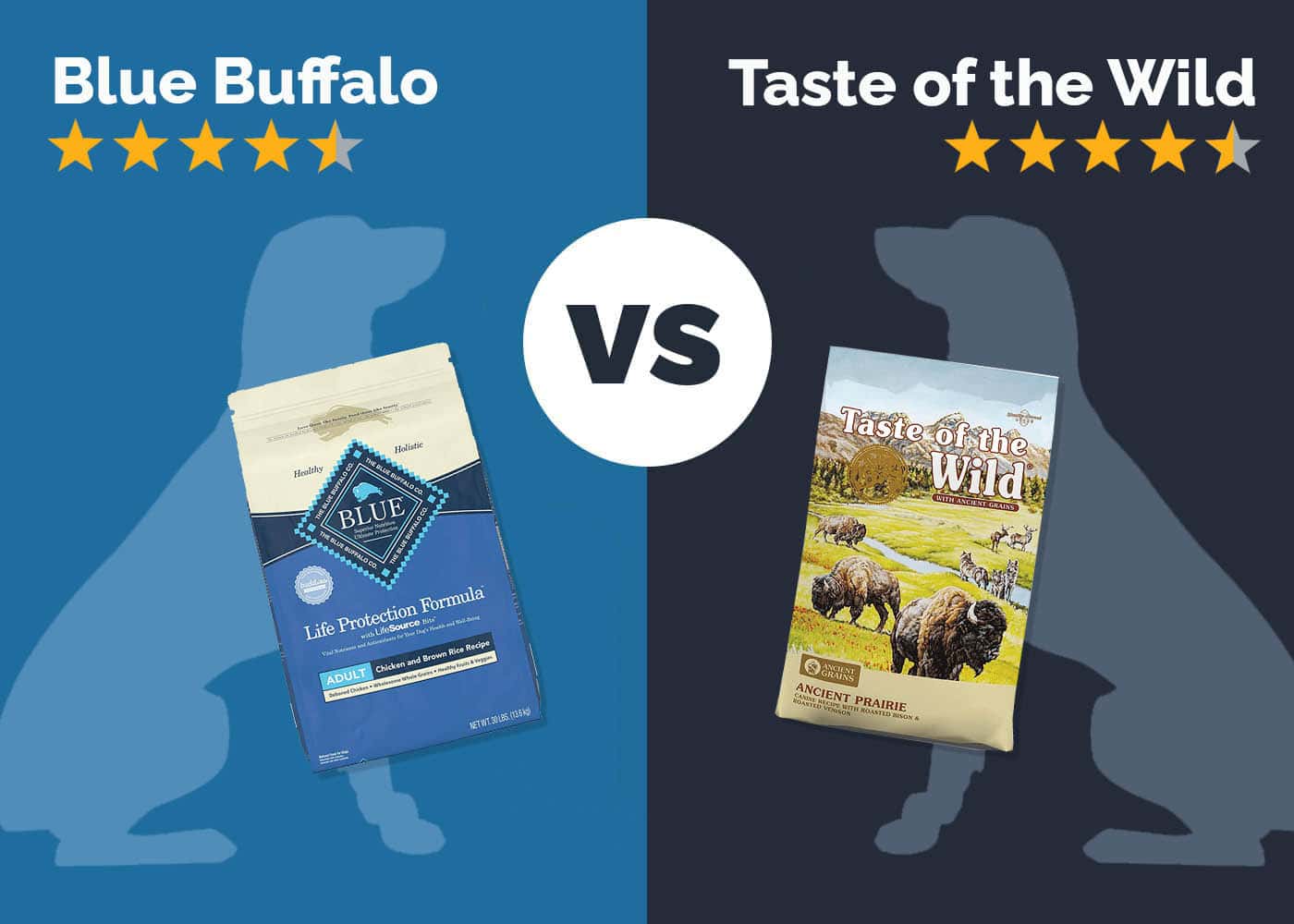
Taste of the Wild focuses on meat first recipes with simple trims. It builds diets around novel proteins like bison and venison. It also adds species specific probiotics after cooking. The brand now offers grain free and ancient grains lines.
Blue Wilderness is the high protein line from Blue Buffalo. It aims to mirror a meat heavy ancestral diet. It features LifeSource Bits for vitamins and antioxidants. It avoids corn, wheat, and soy in these recipes.
Both brands meet AAFCO nutrient profiles for life stage. Labels list added chelated minerals and named fats. That is a good sign for quality.
Taste of the Wild vs Blue Wilderness comes down to protein level, fat level, and price. The right choice depends on your pet’s stage and stomach.
Ingredient quality and sourcing
Taste of the Wild lists real meat or fish as the first ingredient. Many recipes use sweet potato, peas, and lentils. The ancient grains line adds sorghum and millet. The brand uses a K9 Strain probiotic blend. It applies it to the kibble after cooking to help survival.
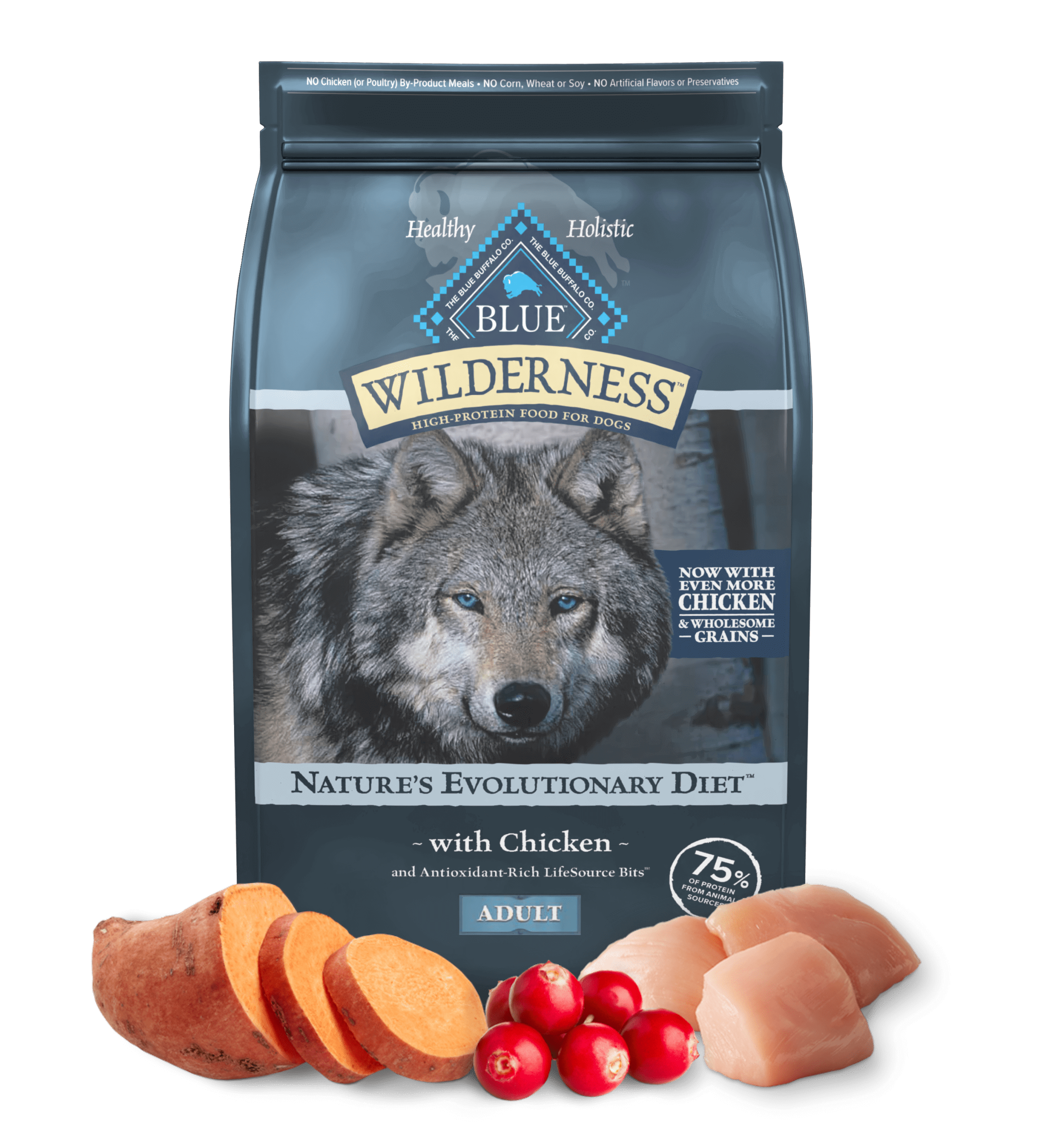
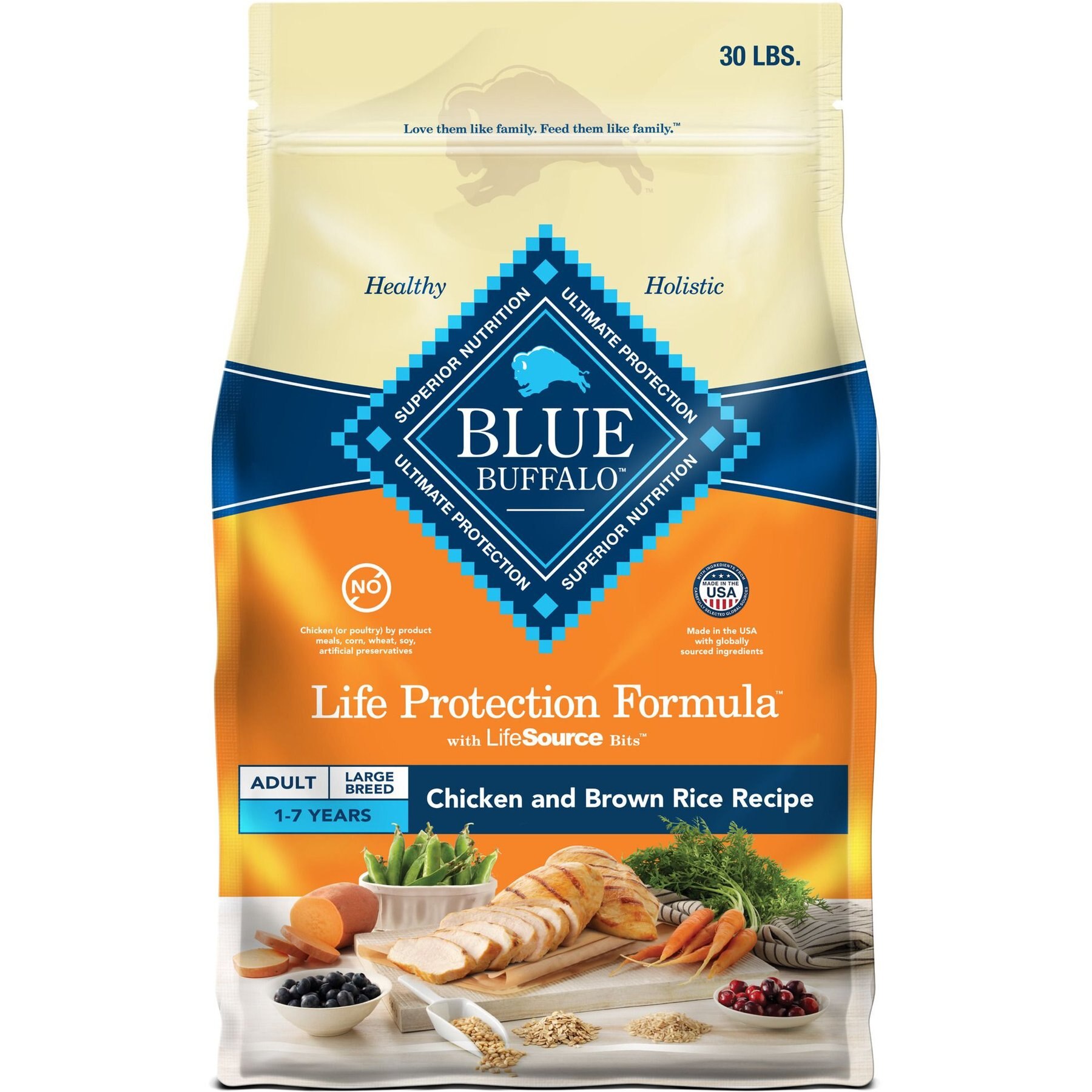
Blue Wilderness lists deboned meat first in most recipes. You will see chicken meal or menhaden fish meal as key protein sources. It includes LifeSource Bits that carry heat sensitive vitamins. Some recipes use peas, potatoes, or tapioca for carbs.
Both brands add omega fats for skin and coat. Salmon oil or fish meal adds DHA for puppies and kittens. Look for named fats like chicken fat for palatability. Avoid unnamed animal fat or vague meat sources.
I check labels for pea protein near the top. That can inflate protein on paper. Taste of the Wild vs Blue Wilderness both use legumes in some lines. If your pet has a legume sensitivity, pick a grain inclusive recipe with lower pea load.
Nutrition profile and recipe variety
Protein and fat vary by recipe. Here are common dry food ranges I see in practice.
Taste of the Wild adult dry usually lands near 25 to 32 percent protein. Fat sits near 13 to 18 percent. Calories per cup often range from 320 to 380. The ancient grains line trends a bit lower in calories.
Blue Wilderness adult dry often runs higher, near 30 to 36 percent protein. Fat sits near 15 to 18 percent. Calories per cup often range from 380 to 430. This can be great for active dogs but can add weight fast in couch potatoes.
Both brands offer:
- Puppy and kitten formulas with DHA support
- Small breed and large breed options
- Limited ingredient or sensitive stomach choices
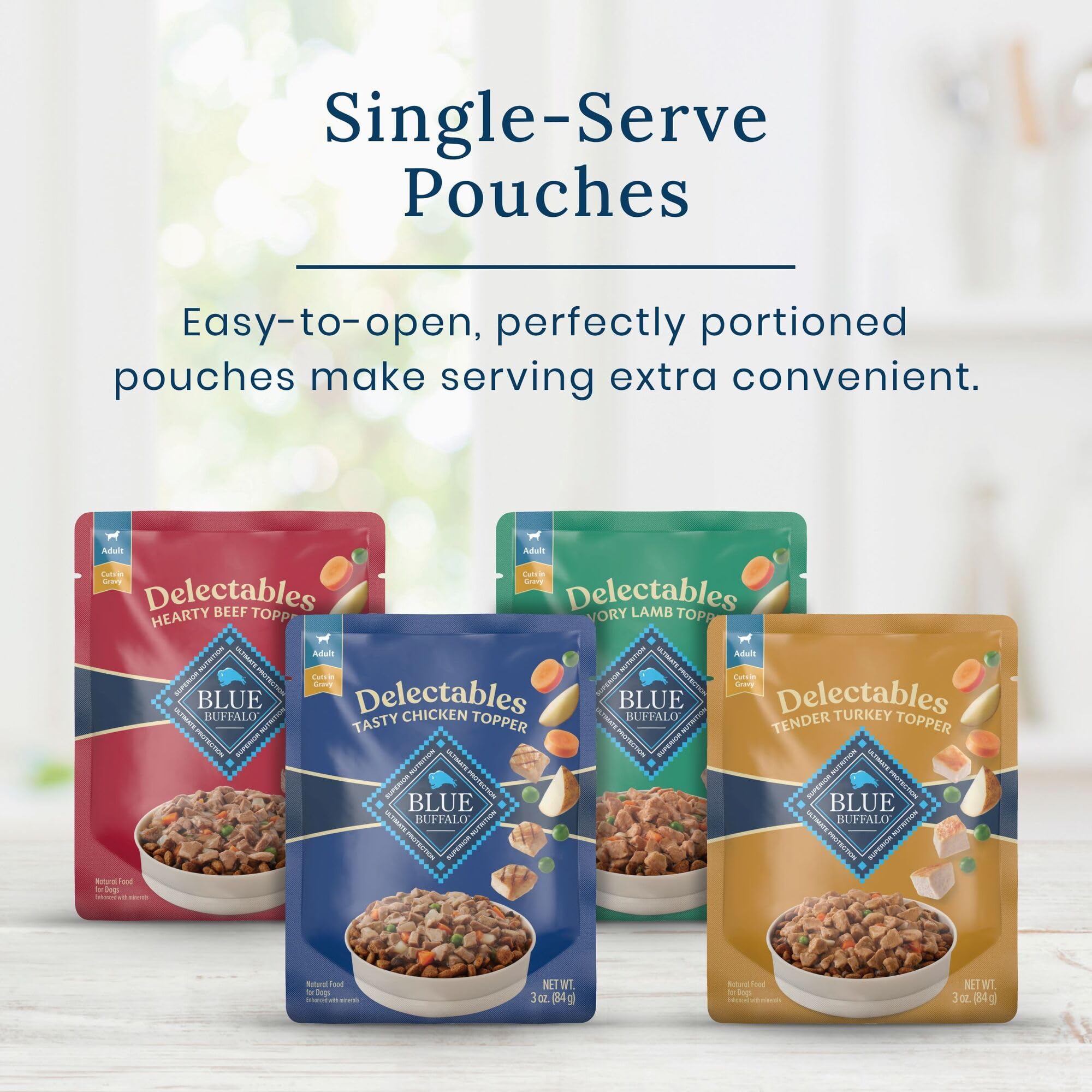
- Wet foods for extra moisture and picky eaters
For cats, Blue Wilderness often hits very high protein. Taste of the Wild cat lines are solid and budget friendly. If your cat needs more moisture, add wet food or a topper.
When I compare Taste of the Wild vs Blue Wilderness for weight control, I pick lower calorie cups. I also watch treat intake. A few high calorie treats can undo careful feeding.

Safety, recalls, and quality control
Safety matters. Here is the honest view.
Taste of the Wild is made by Diamond Pet Foods. In 2012, a salmonella recall hit several Diamond made brands, including Taste of the Wild. Since then, the company reports stronger hazard controls. There have been lawsuits that raised questions on heavy metals. Independent reviews did not show unsafe levels. I still advise batch checks for peace of mind.
Blue Buffalo, the parent of Blue Wilderness, had several recalls between 2010 and 2017. Issues included off spec minerals, possible mold, and elevated beef thyroid in one canned item. The company is now owned by General Mills. This brought larger scale quality systems. Current recall rates are low. Always confirm the latest data on official recall pages.
Both brands state their foods meet AAFCO profiles. Some recipes undergo feeding trials, but not all. Feeding trials add confidence. If your pet has a medical need, ask your vet about trial backed options.
Taste of the Wild vs Blue Wilderness are both mainstream brands with strong testing today. Still, store bags well, check dates, and monitor stool and energy.
Digestibility, sensitivities, and the DCM conversation
Digestibility is about more than numbers. It is about how your pet feels.
Taste of the Wild includes live probiotics. I see good stool results in many dogs. Blue Wilderness can be rich for some dogs due to higher protein and fat. Start slow and watch stools and gas.
About grain free diets and DCM. The FDA reviewed reports that linked some grain free diets and legumes to heart issues in dogs. A clear cause has not been proven. The safest path is to pick a diet that fits your dog’s needs. Choose a grain inclusive recipe if you worry. Seek recipes with modest legume levels. Ensure enough taurine and methionine. Work with your vet and consider periodic taurine checks in at risk breeds.
If your dog has a chicken issue, Taste of the Wild offers lamb, salmon, and bison lines. Blue Wilderness also has options like salmon and red meat. Always check the full ingredient list for hidden chicken fat or meal.
Taste of the Wild vs Blue Wilderness both can work for sensitive pets. The right pick is the one that produces steady stools, healthy coat, and good energy.

Price, value, and where it fits your budget
Prices change by store and bag size. Here is what I see in most markets.
Taste of the Wild is mid tier. Cost per pound often sits near a fair value. It brings meat first recipes and probiotics at a friendly price point.
Blue Wilderness is premium tier. Cost per pound is higher. You pay for a higher protein target and a wide catalog of flavors.
If budget is tight, Taste of the Wild gives strong value. If you want higher protein or a very broad menu, Blue Wilderness fits. Taste of the Wild vs Blue Wilderness both offer autoship deals online. Use them to save and keep fresh stock on hand.
Palatability and real world results
Here is what I see with clients and my own dogs.
Taste of the Wild tends to win with picky dogs who like roast flavors. The roasted bison and salmon recipes get tail wags. Stools are often firm after a slow switch.
Blue Wilderness is very tasty due to higher fat and rich meat meals. It is great for active dogs or dogs who need to gain weight. For low activity dogs, watch portion sizes. The calories per cup can creep up fast.
With cats, Blue Wilderness dry can boost protein intake. Taste of the Wild canned recipes help add moisture on a budget. When I coach cat parents, I often blend wet and dry to get the best of both.
Taste of the Wild vs Blue Wilderness should be decided by your pet’s response. The bowl never lies. Skin, coat, stool, and energy tell the story.

Which brand is better for your dog or cat
Use this simple guide.
Choose Taste of the Wild if:
- You want solid quality at a fair price
- Your dog needs probiotics for stool support
- You like ancient grains options with modest legume load
Choose Blue Wilderness if:
- You want higher protein and many flavors
- Your pet is very active or needs more calories
- You like the LifeSource Bits approach to vitamins
For seniors, look for joint support and controlled calories. For puppies and kittens, pick DHA rich recipes and watch calcium to phosphorus ratios. Taste of the Wild vs Blue Wilderness both have life stage lines. Read the bag to match your pet’s age and size.

How to switch between Taste of the Wild and Blue Wilderness
Make the switch slow. This protects the gut.
Day 1 to 3
- 75 percent old food and 25 percent new food
- Watch stool and appetite
Day 4 to 6
- 50 percent old food and 50 percent new food
- Add water or a spoon of wet food if needed
Day 7 to 9
- 25 percent old food and 75 percent new food
- Keep portions measured and avoid extra treats
Day 10 onward
- 100 percent new food
- Recheck weight in two weeks and adjust cups
If you see loose stool, pause at the current mix. Add a simple topper like plain pumpkin. If issues continue, go back to the old food and call your vet.
Taste of the Wild vs Blue Wilderness switches go best with patience. The gut needs time to adapt.
Frequently Asked Questions of Taste of the Wild vs Blue Wilderness
Is Taste of the Wild better than Blue Wilderness?
It depends on your pet and your goals. Taste of the Wild wins on value and stool support. Blue Wilderness wins on higher protein and variety.
Are both brands safe and AAFCO compliant?
Yes, both meet AAFCO nutrient profiles. Always check for current recalls and buy from trusted sellers.
Which is better for sensitive stomachs?
Taste of the Wild often digests gently due to added probiotics. Some dogs do well on Blue Wilderness if the switch is slow and portions fit.
Are these good choices for puppies and kittens?
Both offer life stage recipes with DHA. Match the bag to your pet’s age and size, and ask your vet about calcium levels in large breed puppies.
Should I avoid grain free recipes due to DCM risk?
There is no proven single cause. If you are worried, pick grain inclusive options and choose lower legume formulas. Your vet can guide testing and diet picks.
Which has fewer calories per cup?
Taste of the Wild often has fewer calories per cup. Blue Wilderness tends to be higher, which suits active pets but needs careful portions.
Can I feed these foods to cats who dislike dry food?
Yes, both brands have wet options. You can also add warm water to dry to boost aroma and moisture.
Conclusion
Taste of the Wild vs Blue Wilderness is not a one size choice. Taste of the Wild shines for value, probiotics, and balanced energy. Blue Wilderness shines for high protein, flavor range, and active pets. The best food is the one your pet thrives on.
Pick two best fit recipes and test with a slow switch. Watch stool, coat, energy, and weight for two weeks. Take notes and adjust portions. If you found this helpful, share it with a friend, subscribe for more pet nutrition guides, or drop your question in the comments.