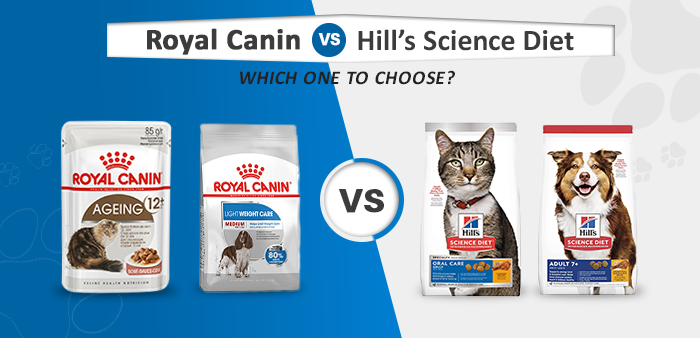
Both are trusted vet-backed brands; the best choice depends on your pet’s needs.
Choosing the right food can feel hard. I’ve guided many pet parents through Hill’s Science Diet vs Royal Canin decisions, and small details matter. In this deep, friendly guide, you’ll get clear answers, balanced research, and real-world tips to help you pick the best fit for your dog or cat. Keep reading if you want expert insight without the jargon.
Quick Comparison: What Sets Each Brand Apart
When you compare Hill’s Science Diet vs Royal Canin, you are looking at two leaders with strong vet support. Both follow strict nutrition standards and run robust quality control. The best match often comes down to your pet’s age, health goals, and taste.
Here is the big picture in simple terms:
- Hill’s Science Diet focuses on life-stage nutrition and sensitive-stomach support with strong fiber and gut-health blends.
- Royal Canin leans into precise formulations, breed-specific kibbles, and targeted nutrient profiles and kibble shapes.
- Both offer veterinary diets, but formula names and strategies differ.
- Palatability can vary by pet; many cats find Royal Canin’s shapes and aromas appealing.
- Price varies by formula; value is about results, not only cost per pound.
Ingredient Philosophy and Sourcing
Hill’s Science Diet vs Royal Canin both use research-driven recipes. You will see meat, meat meals, grains, and functional fibers across many lines. Both comply with recognized nutrient profiles. They use rigorous testing to ensure safety and consistency.
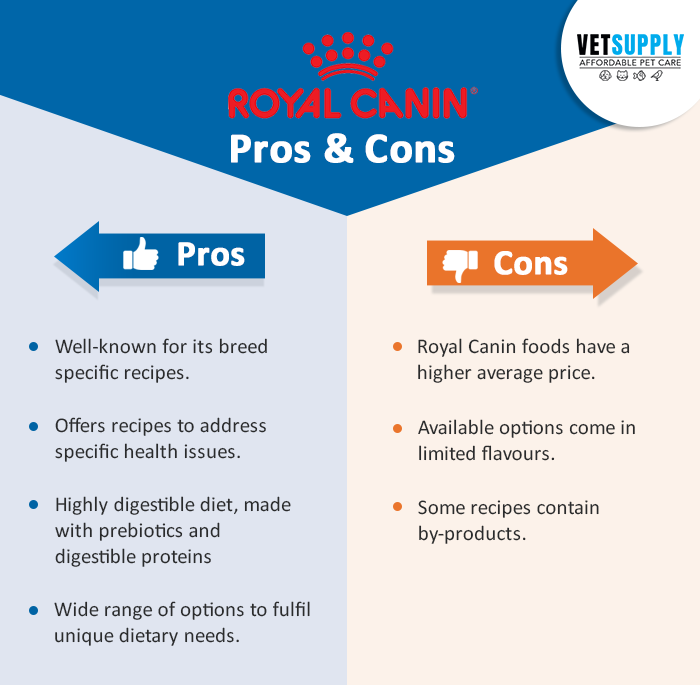
Expect ingredients like chicken, turkey, fish, rice, corn, barley, wheat, and beet pulp. These are common in high-quality pet foods and chosen for digestibility and nutrient delivery. By-products can add organ nutrients when used well. What matters most is the final nutrient profile and digestibility, not one label word.
If your pet has sensitivities, compare specific recipes, not just brands. Check for named proteins, fiber sources, and whether there is a single-protein option. A careful match reduces trial and error and helps avoid tummy trouble.

Nutritional Profiles and Guaranteed Analysis
Hill’s Science Diet vs Royal Canin aim for complete and balanced nutrition for each life stage. Expect protein, fat, fiber, vitamins, and minerals calibrated for the goal stated on the bag. Both brands design nutrient packages to support skin, coat, gut, joints, and the immune system.
Key nutrients you will often see:
- Omega-3s for skin, coat, and joints.
- L-carnitine to support healthy weight and fat metabolism.
- Tailored fiber blends for stool quality and gut health.
- Controlled minerals for urinary care in select lines.
Remember that numbers on labels vary by formula. Adult maintenance food will not look like weight-loss or kitten food. Compare the right products for your pet’s needs, not the brand average.

Veterinary Lines and Prescription Diets
The veterinary side of Hill’s Science Diet vs Royal Canin is where nuance grows. Hill’s Prescription Diet and Royal Canin Veterinary Diets both target issues like urinary crystals, kidney support, food sensitivities, weight management, and GI upsets. These diets need veterinary guidance and authorization.
Examples you may hear your vet discuss:
- Hill’s c/d for urinary care, k/d for kidneys, r/d or m/d for weight.
- Royal Canin Urinary SO for crystals, Renal Support for kidneys, Satiety for weight.
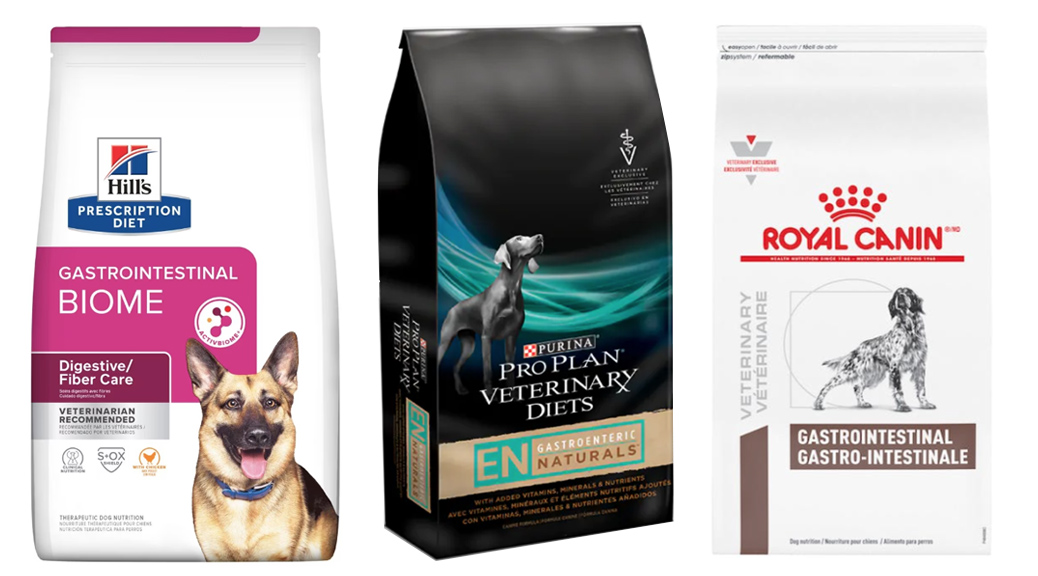
- GI lines from both focus on digestibility and stool quality.
When a medical need is present, follow your vet’s plan. It can be risky to self-switch therapeutic diets, even within the same brand.
Life Stage and Breed-Specific Options
Hill’s Science Diet vs Royal Canin both cover puppy/kitten, adult, and senior needs. They also offer small, medium, and large breed options. This makes it easier to match nutrient density and kibble size to your pet.
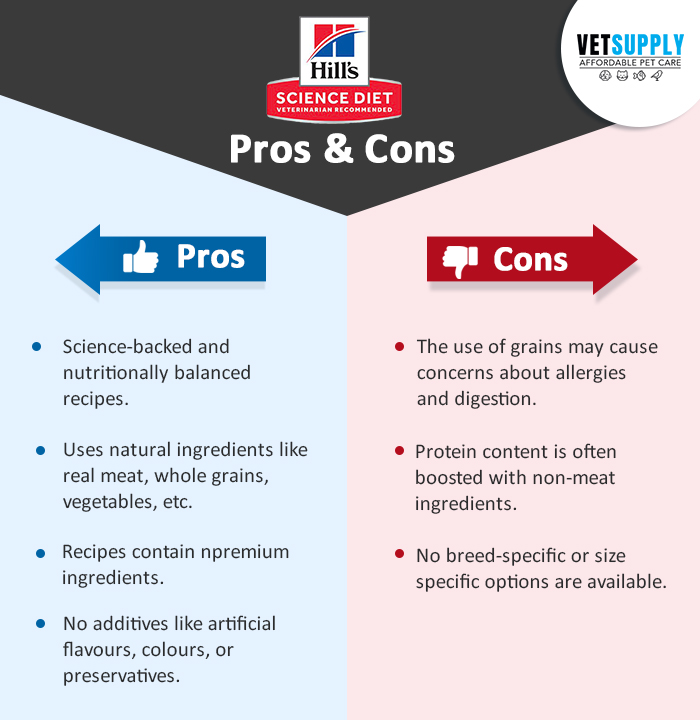
One difference stands out. Royal Canin goes big on breed-specific recipes with kibble shapes and targeted nutrients for breeds like Labrador Retrievers, Persians, and Bulldogs. Hill’s counters with well-rounded life-stage lines and many sensitive-stomach and skin formulas. Both paths can work well when matched to the pet, not the trend.

Common Health Goals: Weight, Skin, Gut, Urinary
Choosing Hill’s Science Diet vs Royal Canin often starts with a health goal. Here is how I help clients think about common needs.
Weight Management
Both brands offer calorie-smart diets with high fiber and L-carnitine. Look for “Perfect Weight,” “Light,” or “Satiety” lines. Slow, steady loss is safer than fast cuts.
Skin and Coat
Omega-3s, omega-6s, and targeted amino acids support skin and coat health. Both brands offer skin-focused diets. If itching persists, ask about a veterinary allergy diet.
Sensitive Stomach and GI
Hill’s sensitive-stomach formulas are popular for routine upset. Royal Canin’s GI lines shine under vet care. Feed small, consistent meals and avoid fast switches.
Urinary Health
Urinary support diets manage minerals and urine pH. For crystal-prone pets, a vet-guided plan is key. Wet food can help boost hydration.
Dental Support
Dental kibbles aim to reduce plaque with shape and texture. Pair with brushing or dental chews for best results. Oral health is a daily habit, not a one-time fix.
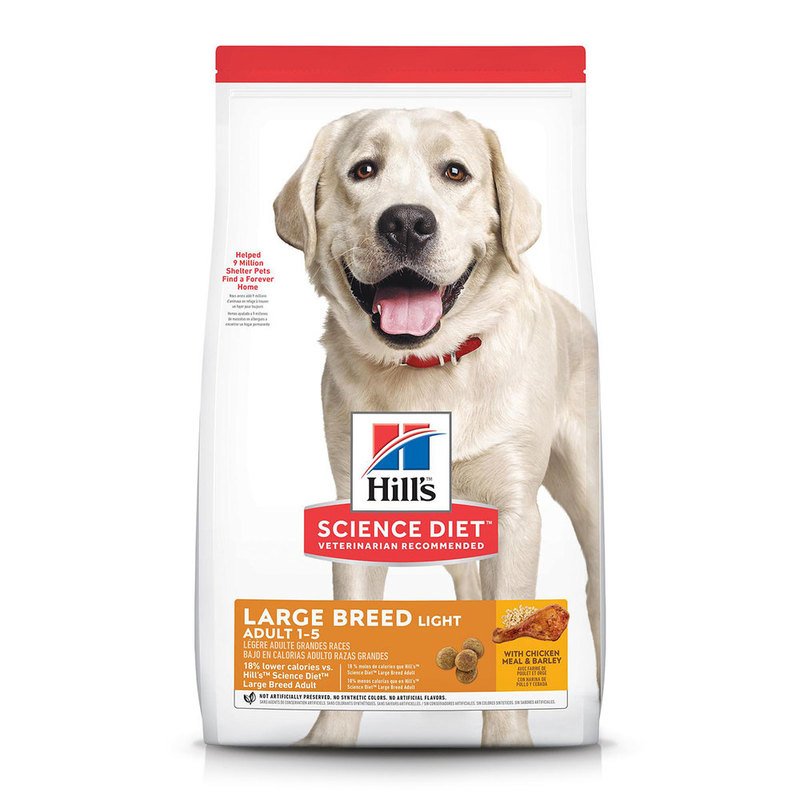
Palatability and Texture: Will Your Pet Eat It?
Taste matters. In Hill’s Science Diet vs Royal Canin, palatability can go either way by pet. Royal Canin invests in aroma, texture, and kibble shapes, which many cats and small dogs love. Hill’s also tests palatability and offers multiple textures and proteins.
If you wonder “why your cat don't eat dry food,” it can be the crunch, the smell, or learned habits. Try mixed feeding or a slow transition. You can warm wet food, add a spoon of warm water, or use a vet-safe topper for interest.
Practical tips:
- Transition over 7 to 10 days.
- Keep feeding areas calm and clean.
- Test one variable at a time to spot what works.

Price, Availability, and Value
Price for Hill’s Science Diet vs Royal Canin varies by recipe and bag size. Costs shift with protein type, research depth, and whether it is a vet diet. Big-box stores, vet clinics, and online shops all stock both brands, which helps with supply.
Think in cost-per-day, not price-per-bag. A calorie-dense food may feed less and cost the same per day. The best value is the one that keeps your pet healthy, with solid stools, steady weight, and a shiny coat.

How to Choose: A Step-by-Step Framework
When clients ask me about Hill’s Science Diet vs Royal Canin, I suggest this simple plan.
- Define the main goal. Weight, skin, gut, urinary, or healthy maintenance.
- Match life stage and size. Puppy/kitten, adult, or senior; small, medium, or large breed.
- Screen for sensitivities. Note any known protein or grain issues.
- Compare 2 to 3 formulas. Read the feeding guide and calorie density.
- Consider texture. Dry, wet, or mixed feeding.
- Plan a slow transition. Use 25 percent more each day over a week.
- Track results. Watch stool, coat, energy, and appetite.
- Recheck with your vet in 4 to 6 weeks.
Real-World Stories and Tips from Practice
Here is what I have seen with Hill’s Science Diet vs Royal Canin in day-to-day life. A large-breed dog with soft stools did well on a Hill’s sensitive-stomach formula due to its fiber blend. A picky indoor cat with hairballs switched to a Royal Canin indoor formula and ate better within a week.
Lessons learned:
- Do not chase fads. Choose the right nutrient profile.
- Taste tests matter. Buy small bags first.
- Results tell the truth. Better stools and steady weight beat bold claims.
Potential Drawbacks and How to Avoid Mistakes
Hill’s Science Diet vs Royal Canin are both strong, but no food fits every pet. Avoid these common mistakes to save time and stress.
- Switching too fast. This can cause loose stools. Use a slow transition plan.
- Picking by protein alone. Balance and digestibility matter more.
- Ignoring calories. Overfeeding even a great food leads to weight gain.
- Skipping vet input. Medical issues need targeted diets and follow-up.
- Not measuring. Use a scale or measuring cup for accuracy.
Frequently Asked Questions of Hill’s Science Diet vs Royal Canin
Which is better: Hill’s Science Diet vs Royal Canin?
Both are excellent. The better choice is the one that fits your pet’s age, health goals, and taste.
Is Hill’s Science Diet vs Royal Canin good for sensitive stomachs?
Yes, both offer strong options. Hill’s sensitive-stomach line is popular, and Royal Canin’s GI diets work well under vet care.
Do I need a prescription for these brands?
Only for specific veterinary formulas. Over-the-counter lines are widely available without a prescription.
Can I switch between Hill’s Science Diet vs Royal Canin?
Yes, with a slow transition. Move over 7 to 10 days and watch stool and appetite.
Are breed-specific diets worth it?
They can be, especially for kibble shape and targeted nutrients. If your pet thrives on a standard life-stage diet, that is also a fine choice.
Is mixed feeding okay with these brands?
Yes, many pets do well with wet and dry. It can help with hydration and taste.
How do I know it is working?
Look for steady weight, good stools, a shiny coat, and good energy. Recheck with your vet after 4 to 6 weeks.
Conclusion
Hill’s Science Diet vs Royal Canin is not a battle. It is a choice between two proven, research-led brands. The right pick rests on health goals, life stage, taste, and how your pet responds over time.
Try one well-matched formula, transition slowly, and track results with simple notes. If you want a hand, talk with your vet and revisit the steps above. Ready to choose with confidence? Share your pet’s age, breed, and goal in the comments, and I will help you narrow it down.