What To Feed A Dog With Sensitive Stomach (2026 Guide)
Every pet owner knows the pain of seeing their dog uncomfortable, especially after meals. If your dog often suffers from vomiting, diarrhea, or a gurgling stomach, you’re not alone. Many dogs in the United States have sensitive stomachs, and choosing the right food can make a world of difference. This guide will help you understand what to feed a dog with a sensitive stomach, how to spot the signs, and what to avoid. You’ll get practical advice, real examples, and strategies that work for American families.
Understanding Sensitive Stomachs In Dogs
A sensitive stomach in dogs means their digestive system reacts badly to certain ingredients. Some breeds, like Labradors, Yorkshire Terriers, and Boxers, are more likely to have these issues. But any dog can develop a sensitive stomach at any age. The causes can be food allergies, intolerances, stress, or even sudden changes in diet.
Common symptoms include:
- Loose stools or diarrhea
- Vomiting
- Gas and bloating
- Loss of appetite
- Weight loss
Sometimes, the signs are mild, like occasional burping, or your dog refusing food. Other times, the symptoms are severe and can lead to dehydration, especially with puppies or small breeds. If your dog shows these signs often, it’s important to talk to your vet to rule out serious problems like infections or organ issues.
In some cases, blood tests or stool samples may be needed to check for underlying diseases or parasites. But in many cases, the right food can solve the problem.
It’s also important to remember that a sensitive stomach can develop over time. For example, a dog that tolerated chicken for years might suddenly become sensitive as they age. Environmental factors, such as moving to a new home or increased stress, can also make your dog’s stomach more reactive.
Always pay attention to new symptoms, even if your dog had no history of digestive trouble before.
Key Principles For Feeding A Dog With A Sensitive Stomach
When choosing food for a sensitive stomach, focus on digestibility, limited ingredients, and high-quality protein sources. Here’s what matters most:
1. Simple Ingredients
Dogs with sensitive stomachs do better with foods that have fewer ingredients. This makes it easier to spot foods that cause trouble. Look for formulas marked limited ingredient or single protein. For example, a food with only turkey, rice, and peas is easier to test than a mix with ten different proteins and grains.
Simple doesn’t mean boring—many limited-ingredient foods still taste great to dogs. Try to pick foods where you recognize every item on the label. If you see long chemical names, it’s a sign the food may be too complex for sensitive dogs.
2. High-quality Protein
Easily digestible proteins, like chicken, turkey, or salmon, are gentle on the stomach. Avoid cheap by-products or “mystery meats.” When possible, choose “real meat” as the first ingredient. Some owners find that novel proteins (like duck or rabbit) can help when common meats cause problems.
If your dog has had issues with one protein, try another. For example, if chicken causes gas, switch to turkey or fish. Remember, some dogs develop sensitivities to the protein they eat most often, so rotating proteins every few months can help.
3. Low-fat Content
High-fat foods are tough to digest for some dogs. Choose foods with moderate fat levels (about 10-15%). Fat is important for energy and skin health, but too much can lead to pancreatitis or loose stools, especially in smaller breeds or older dogs.
If your dog has a history of pancreatitis, always check the fat content before buying new food. Some special prescription diets are made to be extra low in fat for these cases.
4. Grain-free Or Whole Grains?
Some dogs react badly to wheat, corn, or soy. You can try a grain-free diet, but some dogs do well with whole grains like brown rice or oatmeal. Always check how your dog reacts. Whole grains often provide gentle fiber and help keep digestion regular.
There’s no need to avoid all grains unless your dog has shown a clear reaction. In fact, some grain-free foods use potatoes or lentils, which might not agree with every dog. As with all ingredients, the key is to watch your dog’s response and adjust as needed.
5. Fiber
A moderate amount of fiber helps digestion and firm up stools. Foods with beet pulp, pumpkin, or sweet potato are often good choices. Too little fiber can lead to constipation, while too much can cause gas or diarrhea.
If your dog’s stool is too soft, try a food with a bit more fiber or add cooked pumpkin to their meal. For dogs that get constipated easily, a small amount of oats or green beans can help. Always add new sources of fiber slowly to avoid more tummy upset.
6. Probiotics And Prebiotics
These boost the “good bacteria” in your dog’s gut, supporting digestion. Many sensitive-stomach foods include live cultures like Lactobacillus. Probiotics can help dogs recover from antibiotic use, stress, or a sudden change in food.
Prebiotics (like inulin or chicory root) feed the good bacteria, making probiotics work better. You’ll often see these listed on the ingredient label. Some owners notice less gas and firmer stools after adding probiotics. Not all dogs need them, but they are often worth a try.
7. Avoid Artificial Additives
Stay away from artificial colors, flavors, and preservatives. These can irritate a sensitive digestive system. Look for foods with natural preservatives, like mixed tocopherols (a source of vitamin E).
Some additives can cause long-term health problems, not just stomach upset. For example, artificial dyes are linked to hyperactivity in children and may affect dogs in similar ways. Natural food is always safer for sensitive pets.
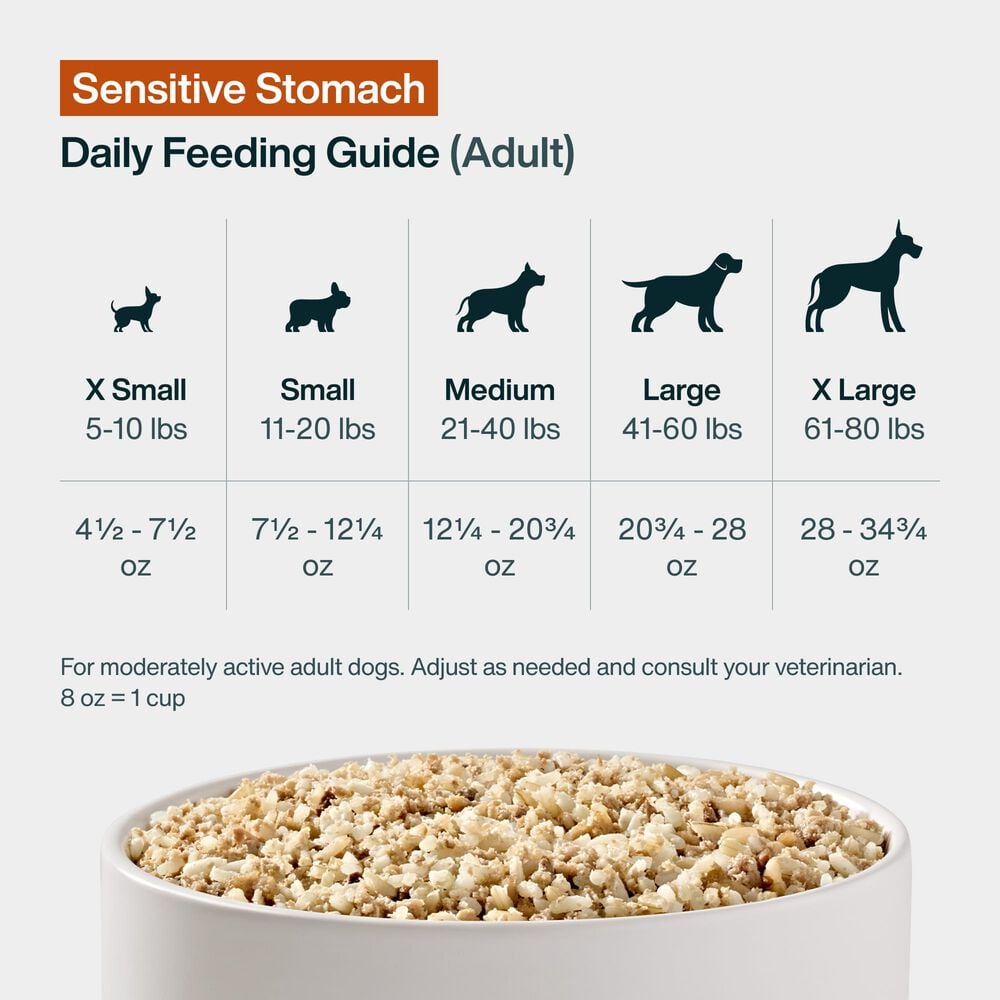
Credit: www.justfoodfordogs.com
Home-cooked Vs. Commercial Dog Food
You may wonder whether home-cooked meals are better than store-bought foods. Both have pros and cons.
Home-cooked diets give you full control over ingredients. You can avoid fillers and allergens. For example, if your dog has a rare allergy to peas or potatoes, you can easily avoid them. Home-cooked meals also let you use fresh, high-quality meat and vegetables. But it’s easy to miss key nutrients, such as calcium, zinc, or certain vitamins. Over time, this can cause health problems. If you go this route, ask your vet for a recipe that covers all your dog’s needs. Some owners work with a veterinary nutritionist to design a custom plan.
Commercial sensitive-stomach dog foods are carefully balanced for nutrition. Look for labels like “easily digestible,” “limited ingredient,” or “for sensitive stomachs.” Choose brands with real meat as the first ingredient and clear labeling. Commercial foods are tested to ensure they provide all essential vitamins and minerals. This makes them safer for most owners who don’t have time to research every nutrient.
If you like the idea of home-cooked food but worry about missing nutrients, some companies offer “fresh cooked” dog food delivered to your door. These meals are nutritionally balanced and made for sensitive dogs, combining the best of both worlds.
Top Commercial Dog Foods For Sensitive Stomachs
Here’s a look at some popular foods that work well for sensitive dogs in the U. S. All are available in 2026.
| Brand | Main Protein | Special Feature | Price Range (per lb) |
|---|---|---|---|
| Hill’s Science Diet Sensitive Stomach & Skin | Chicken | Prebiotic fiber, vitamin E | $2.90 |
| Purina Pro Plan Sensitive Skin & Stomach | Salmon | Grain-free, high omega-3 | $2.70 |
| Blue Buffalo Basics Limited Ingredient | Turkey | Single protein, easily digestible carbs | $3.20 |
| Royal Canin Veterinary Diet Gastrointestinal | Chicken | Prescription only, low fat | $4.10 |
| Natural Balance L.I.D. | Lamb | Limited ingredients, grain-free | $3.00 |
These brands are trusted by American vets and pet owners. Always introduce new foods slowly to avoid digestive upset.
Some dog owners notice a big improvement within a week of switching to these foods, but for others, it takes a few weeks. If your dog doesn’t improve after four weeks, try another formula or consult your vet. Also, remember that dogs’ preferences matter—some sensitive dogs refuse certain kibble shapes or flavors, so you may need to try a few brands.

Credit: doggopulse.com
Homemade Diet For Sensitive Stomachs
If you want to cook for your dog, here’s a basic recipe that’s gentle on most stomachs.
Ingredients:
- 1 lb lean ground turkey (or chicken)
- 1 cup cooked white rice
- 1/2 cup pumpkin puree (plain, no sugar)
- 1/2 cup cooked carrots (chopped)
- 1 tablespoon olive oil
Instructions:
- Cook turkey in a pan, breaking into small pieces.
- Add cooked rice, pumpkin, and carrots. Stir and cook until mixed well.
- Remove from heat and add olive oil. Cool before serving.
This recipe serves a medium dog (about 40 lbs) for one day. Adjust amounts for your dog’s size. For smaller dogs, cut the portions in half or quarters. For larger dogs, double the recipe as needed. Always check with your vet before switching to home-cooked meals.
To add more variety, you can swap turkey for lean beef, or carrots for green beans. Just add new ingredients one at a time, waiting several days before introducing another, so you can spot any reactions.
Practical tip: If you see improvement, keep a food diary to track which ingredients work best. This makes it easier to avoid problem foods in the future.
A common mistake with home-cooked diets is forgetting calcium. Dogs need calcium for bone health, so add a calcium supplement (as advised by your vet) or feed a little crushed eggshell powder.
Ingredients To Avoid In Sensitive-stomach Dogs
Some foods and ingredients are more likely to cause problems for sensitive dogs. Here’s what to avoid:
- Corn, wheat, and soy: Common allergens and hard to digest.
- Dairy: Many dogs are lactose intolerant.
- Artificial preservatives: BHA, BHT, ethoxyquin.
- Artificial colors and flavors
- Fat trimmings: Too much fat can trigger pancreatitis.
- Bones: Especially cooked bones, which can splinter and cause injury.
- Onions and garlic: Toxic to dogs.
Other problem foods include spicy table scraps, processed meats (like sausages), and high-sugar snacks. Even some “dog-friendly” bakery treats can have hidden dairy or wheat.
If your dog has a sensitive stomach, always read the ingredient list. Just because a food says “natural” doesn’t mean it’s safe. For example, some natural treats still use wheat flour or peanut butter, which can upset some dogs.
Transitioning To A Sensitive-stomach Diet
Switching foods too quickly can upset your dog’s stomach even more. Here’s how to do it safely:
- Start slow: Mix 25% new food with 75% old food for 2-3 days.
- Increase gradually: Move to 50/50 for the next 2-3 days.
- Then 75/25: Keep this ratio for another 2-3 days.
- Switch fully: After about 7-10 days, feed only the new food.
Watch for vomiting, diarrhea, or gas during this period. If symptoms get worse, slow down or talk to your vet.
Every dog is different. Some may need two weeks or more to adjust, especially if they’re older or have had stomach problems for a long time. During the transition, avoid giving extra treats or table scraps, as these can confuse the results.
If your dog refuses the new food, try warming it slightly or mixing in a bit of plain cooked rice. Sometimes, changing the texture (like soaking dry kibble in warm water) can make food more appealing and easier to digest.
Understanding Food Labels
Many pet owners in the U.S. struggle to understand dog food labels. Here’s how to read them:
- First ingredient: Should be real meat, not “meat meal” or “by-product.”
- Short ingredient list: Fewer ingredients are better for sensitive dogs.
- Guaranteed analysis: Shows protein, fat, fiber, and moisture levels.
- AAFCO statement: Means the food meets basic nutritional standards.
Look for foods that say “complete and balanced” for your dog’s life stage. “AAFCO-approved” foods are tested to provide all nutrients your dog needs.
Some ingredient names are confusing. For example, “animal digest” is a flavoring made from low-quality meats and should be avoided. High-quality foods use named meats and fats—like “chicken fat” instead of “animal fat. ”
If you’re not sure about an ingredient, search for it online or ask your vet. Reliable sources, like veterinary schools or the [Cornell University College of Veterinary Medicine](https://www.vet.cornell.edu/hospitals/companion-animal-hospital/nutrition-service), can explain what’s safe and what isn’t.
Common Mistakes When Feeding Dogs With Sensitive Stomachs
Even experienced owners make mistakes. Here are some to avoid:
- Frequent food changes: This confuses the digestive system. Stick to one food unless there’s a real problem.
- Giving too many treats: Many treats have cheap fillers or allergens. Use treats sparingly and pick hypoallergenic options.
- Ignoring the water bowl: Dehydration makes stomach problems worse. Always provide fresh water.
- Not measuring portions: Overfeeding can trigger digestive upset. Use a measuring cup for accuracy.
Another common mistake is feeding table scraps. Foods like onions, garlic, butter, and spicy dishes can make sensitive dogs very sick. Even a small bite can cause problems.
Avoid giving supplements or vitamins without veterinary advice. Too much calcium, for instance, can cause constipation or worse. Always check with your vet before adding anything new to your dog’s diet.
Table: Popular Protein Sources For Sensitive Dogs
| Protein Source | Digestibility | Common Allergens |
|---|---|---|
| Chicken | High | Yes (some dogs) |
| Turkey | High | Rare |
| Salmon | High | Rare |
| Lamb | Moderate | Occasional |
| Duck | Moderate | Rare |
This table can help you choose new foods to try if your dog reacts to common proteins.
Novel proteins are less likely to trigger allergies but can be more expensive. If you try a new protein, give it at least two weeks to see if symptoms improve.
When To See A Vet
Not all stomach issues can be solved by changing food. If your dog has:
- Severe vomiting or diarrhea for more than 24 hours
- Blood in stool or vomit
- Weight loss
- Lethargy or dehydration
…it’s time to visit the vet. Sometimes, sensitive stomachs are a sign of deeper health problems like inflammatory bowel disease or pancreatitis.
Don’t wait for symptoms to get worse. Early treatment saves money and prevents suffering. In some cases, your vet may suggest bloodwork, x-rays, or an ultrasound to rule out serious problems.
Non-obvious Insights For Sensitive-stomach Dogs
- Water quality matters: Dogs with sensitive stomachs can react to minerals or chemicals in tap water. Try filtered water if you notice ongoing issues.
- Feeding schedule helps: Breaking meals into two or three smaller portions per day, instead of one large meal, can reduce stomach upset.
- Temperature of food: Warm food is easier on the stomach than cold, straight-from-the-fridge meals.
- Rotational proteins: Some owners see better results by rotating between two or three protein sources every few months, which can help prevent new sensitivities.
- Stress affects digestion: Loud noises, new people, or changes at home can trigger stomach problems in sensitive dogs.
One more tip: Don’t forget exercise. Gentle, regular walks aid digestion and help reduce anxiety, which can also help sensitive stomachs.
Real-world Example: Maggie The Beagle
Maggie, a three-year-old Beagle from Texas, suffered from soft stools and vomiting for months. Her owner, Lisa, tried several foods before switching to a limited ingredient diet with turkey and sweet potato. Within weeks, Maggie’s symptoms improved. Lisa also started feeding her three small meals per day and switched to filtered water. This practical approach worked better than any medicine.
Lisa kept a diary, noting every food change and symptom. When Maggie had a mild setback after a new treat, Lisa spotted the cause quickly and avoided that treat in the future. Over six months, Maggie’s coat improved, her energy returned, and she gained back lost weight.
The Cost Of Sensitive-stomach Diets
Feeding a sensitive-stomach diet can cost more than standard dog food. For a 40-lb dog, expect to spend $55–$80 per month on premium kibble. Home-cooked diets can cost less, but require more time. However, the benefits—less vet bills, a happier dog—often outweigh the extra cost.
If you have a small dog, the price difference is less dramatic. Larger dogs can be expensive to feed, but some owners save money by buying in bulk or using a combination of commercial and homemade meals.
Remember, the true cost includes your time, convenience, and peace of mind. Many owners find they spend less on vet bills and cleaning up messes when their dog is on the right food.
Table: Home-cooked Vs. Commercial Foods
| Type | Pros | Cons |
|---|---|---|
| Home-Cooked | Control over ingredients, less risk of allergens, can be cheaper | Time-consuming, risk of missing nutrients, less convenient |
| Commercial | Balanced nutrition, convenient, easy to store | Can be expensive, some have hidden fillers |
For many families, a mix of both works best. For example, use commercial food as the main diet and supplement with simple home-cooked meals or snacks.
How To Track Your Dog’s Progress
Once you change your dog’s food, keep a food diary. Note:
- What you feed
- Any symptoms
- Changes in energy, coat, and stool
This helps you and your vet spot patterns. Sometimes, improvements take 2–4 weeks, so be patient.
If you see new problems, go back to the last safe meal and try again. Include treats and table scraps in your notes, as these are common causes of setbacks.
Some owners use smartphone apps or simple notebooks for tracking. Share your diary with your vet during checkups for better advice.
Treats And Snacks For Sensitive Dogs
Dogs love treats, but many commercial options are full of fillers. Good options include:
- Freeze-dried meats (chicken, turkey)
- Cooked carrots or green beans
- Hypoallergenic biscuits (limited ingredient brands)
You can also make homemade treats by baking plain chicken or sweet potato in small cubes. Always introduce new treats slowly and watch for any changes in stool or behavior.
Avoid treats with corn syrup, artificial colors, or unknown meats. Always check the ingredient label, even on “natural” treats. A simple treat is often the safest.
Supplements: When And Why
Some dogs benefit from supplements like:
- Probiotics: Support gut health
- Digestive enzymes: Aid in breaking down food
- Omega-3 oils: Help soothe inflammation
But don’t add supplements without talking to your vet first. Too much of a good thing can cause new problems.
For example, too much fish oil can cause diarrhea or even pancreatitis. Some probiotic blends are not tested for dogs, so always choose a vet-recommended brand.
Supplements are not a substitute for a good diet. They work best when used to support, not replace, balanced meals.
Credit: blog.justfoodfordogs.com
Reading Between The Lines: Marketing Terms
Dog food packaging can be confusing. “Grain-free,” “natural,” “human-grade”—these terms sound good but aren’t always meaningful. In the U. S. , the term “natural” isn’t strictly regulated. Focus on the ingredient list, not just the marketing.
“Human-grade” means the food could be eaten by people, but it doesn’t guarantee better nutrition for dogs. “Grain-free” doesn’t mean allergen-free, as other ingredients can still cause reactions.
If you’re not sure, ask your vet for help choosing a food. Don’t rely only on advertisements or pet store recommendations.
Sensitive Stomach In Puppies Vs. Adults Vs. Seniors
Puppies need more calories and special nutrients for growth. Choose puppy formulas that are also for sensitive stomachs. Look for foods with DHA for brain development and enough protein for muscle growth.
Adult dogs do well with standard sensitive-stomach foods. Their needs are more stable, but activity level, breed, and size still matter.
Seniors may need more fiber and less fat. Their digestion slows with age, so simpler foods with added joint support (like glucosamine) can help. Check the life stage on the bag.
Switching between life stages should be done gradually, just like any other food change.
What About Raw Diets?
Raw diets (meat, bones, organs) are popular in some circles. But for sensitive-stomach dogs, raw food can be risky. Bacteria like Salmonella or E. coli can upset digestion. Cooked, simple meals are safer for most dogs with sensitive stomachs.
If you are considering a raw diet, talk to your vet first. In some cases, a cooked version of the same diet can offer similar benefits with less risk.
Trusted Resources
Want more information? The American Kennel Club offers advice on dog nutrition. For scientific info, visit Cornell University College of Veterinary Medicine.
Frequently Asked Questions
What Are The Best Proteins For Dogs With Sensitive Stomachs?
Turkey, salmon, and lamb are gentle on most dogs. If your dog reacts to chicken, try switching to a less common protein like duck or rabbit. Always introduce new proteins slowly and watch for symptoms.
How Can I Tell If My Dog Has A Food Allergy Or Just A Sensitive Stomach?
Food allergies often cause itchy skin, ear infections, or hair loss. A sensitive stomach usually shows as vomiting or diarrhea. Your vet can help you test for allergies. In some cases, an elimination diet is needed to find the cause.
Is Grain-free Food Better For Sensitive Stomachs?
Not always. Some dogs react to grains, but others do fine with whole grains like brown rice or oatmeal. Try both types and see which your dog prefers. Grain-free is not automatically better for every dog.
Can I Feed My Sensitive-stomach Dog Homemade Treats?
Yes, but keep it simple. Boiled chicken, carrots, and green beans are safe choices. Avoid treats with sugar, salt, or artificial ingredients. Introduce new treats one at a time and monitor for reactions.
When Should I Call The Vet About My Dog’s Stomach Issues?
If your dog has blood in stool or vomit, severe diarrhea, or stops eating for more than a day, contact your vet. These can be signs of serious illness. Don’t wait for things to get worse—early care is best.
Choosing the right food for a dog with a sensitive stomach takes patience, observation, and sometimes a bit of trial and error. But with the right approach, your dog can enjoy mealtimes again—and you can enjoy peace of mind knowing you’re doing what’s best for your four-legged friend.