Purina One usually offers higher protein and richer ingredients than Pedigree.
If you’re weighing Pedigree vs Purina One, you’re not alone. I’ve helped many pet parents make this choice in clinics, shelters, and my own home with foster dogs. This guide breaks down ingredients, nutrition, safety, price, and real-world results so you can choose with confidence based on your dog’s health, age, and budget.

Pedigree vs Purina One at a glance
Choosing between Pedigree vs Purina One comes down to trade-offs. Both meet AAFCO standards and are easy to find. But they have different goals.
Key differences you’ll notice:
- Ingredient quality Purina One often starts with real meat and adds functional nutrients. Pedigree leans on grains and by-product meals to keep costs low.
- Protein and fat Purina One adult kibbles often land near 26–30% protein. Pedigree adult formulas usually sit closer to 21–23%.
- Digestive support Purina One tends to include added probiotics or prebiotic fiber in several recipes. Pedigree focuses more on general nutrition.
- Price Pedigree is friendlier on tight budgets. Purina One costs more but usually gives stronger nutrition per cup.
- Variety Both have puppy, adult, and senior. Purina One has more targeted options like sensitive skin and stomach or high protein.
Bottom line on Pedigree vs Purina One: Purina One often wins on nutrition-for-the-price. Pedigree wins on cost and everyday availability.
Ingredients and sourcing: what’s in the bowl
When comparing Pedigree vs Purina One, read the first five ingredients. They tell a clear story.
What I see most often:
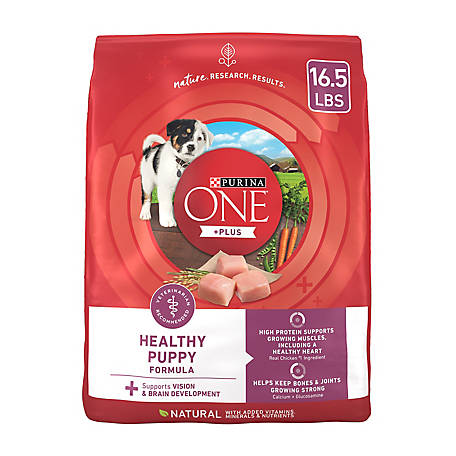
- Purina One Many recipes list chicken or turkey as the first ingredient, followed by rice or oats. You may see by-product meal, which adds concentrated protein and minerals from organ meats.
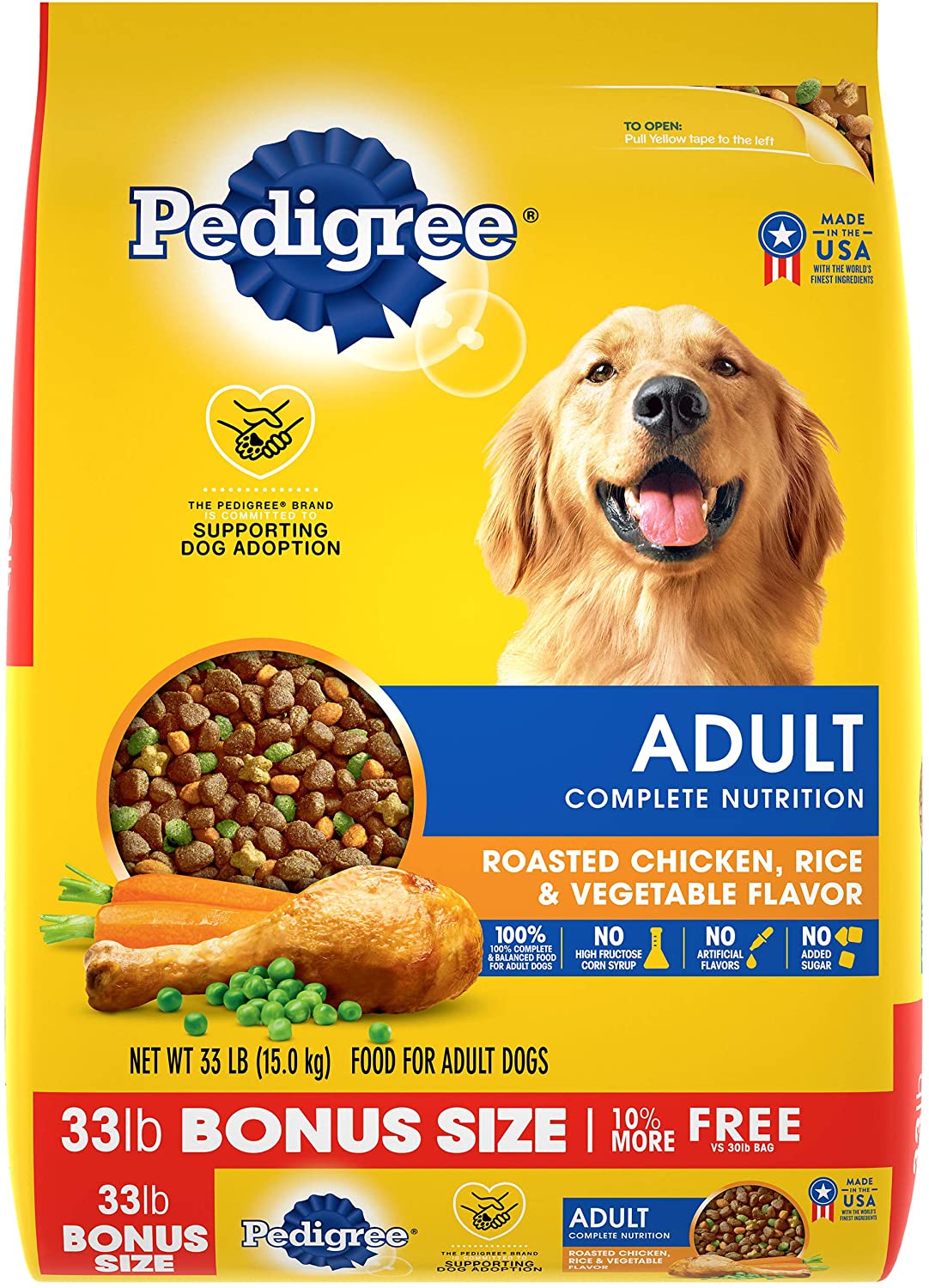
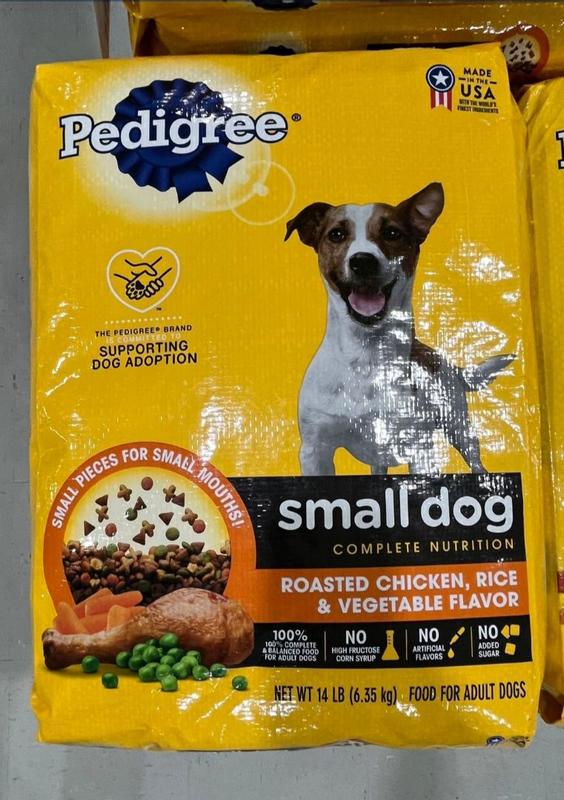
- Pedigree You’ll often see corn, meat and bone meal, and animal fat early on. This keeps calories affordable, though protein quality can vary.
A few notes from experience:
- By-products are not bad by default. Organ meats can be nutrient dense. The key is the brand’s quality control.
- Grains like corn and rice are fine for most dogs. Grain-free is not automatically better unless your dog needs it.
- Functional extras matter. Purina One often includes omega-3s, glucosamine, and prebiotic fiber. Pedigree includes essential vitamins and minerals but fewer extras.
Both brands say they source and manufacture mainly in the United States, with large-scale quality checks. For Pedigree vs Purina One, the ingredient lists show Purina One aims for higher perceived quality, while Pedigree targets value.

Nutrition profile and life-stage needs
Let’s talk numbers. In side-by-side label checks of common adult chicken formulas, I often see:
- Purina One Crude protein around 26–30%. Fat around 12–17%. Many list real meat first.
- Pedigree Crude protein around 21–23%. Fat around 10–12%. Grains and meals appear first more often.
Both lines meet AAFCO nutrient profiles for complete and balanced nutrition when fed as directed. Still, dogs with higher energy needs, picky appetites, or dull coats may do better with Purina One’s higher protein and added omegas.
What to pick by life stage:
- Puppies Consider Purina One for higher protein and DHA for brain support. Pedigree puppy formulas work if budget is tight and your pup tolerates grains well.
- Adults Active or lean-prone dogs often thrive on Purina One. Low-activity dogs can do fine on Pedigree if portioned right.
- Seniors Look for joint support and easy-to-digest formulas. Purina One senior options often add glucosamine and higher-quality proteins.
For searchers comparing Pedigree vs Purina One, remember calorie density varies. Check the kcal per cup so you do not overfeed.
Real-world results: stools, coat, energy, and taste
Over the years, I’ve tested both brands with rescue dogs and my own pack. Here’s what I noticed most when judging Pedigree vs Purina One in daily life:
- Stool quality Purina One tends to give smaller, firmer stools for many dogs. Pedigree can be fine, but some dogs pass larger stools, which suggests lower digestibility.
- Coat and skin Dogs on Purina One often show a shinier coat within 4–6 weeks, likely due to omegas and protein quality. Sensitive dogs may flare on either if there’s a specific ingredient trigger.
- Energy and muscle tone Higher protein from Purina One can help keep muscle on active dogs. Sedate dogs may do equally well on Pedigree if portions are controlled.
- Palatability Many dogs eat both with no fuss. Extra picky eaters often prefer Purina One’s aroma and texture.
Your dog is the final judge. Keep a simple log of stool, gas, itching, coat, and energy for two weeks when testing Pedigree vs Purina One.
Safety record, recalls, and quality control
Safety is a key part of Pedigree vs Purina One. Both belong to global companies with strong manufacturing systems and many US facilities.
What to know:
- Both brands have had recalls in past years. Purina One had a limited dry dog food recall tied to possible Salmonella in the past, and Pedigree had recalls related to potential contaminants in some batches.
- Recalls happen across the industry. The difference is speed, scope, and transparency of response.
Practical tips I share with clients:
- Check lot codes and best-by dates when you buy.
- Store kibble in the original bag inside an airtight container.
- If your dog gets sick after a new bag, stop feeding, call your vet, and contact the brand with the lot code.
Pedigree vs Purina One both invest in safety labs and testing. Still, keep your eyes open and buy from high-turnover stores.
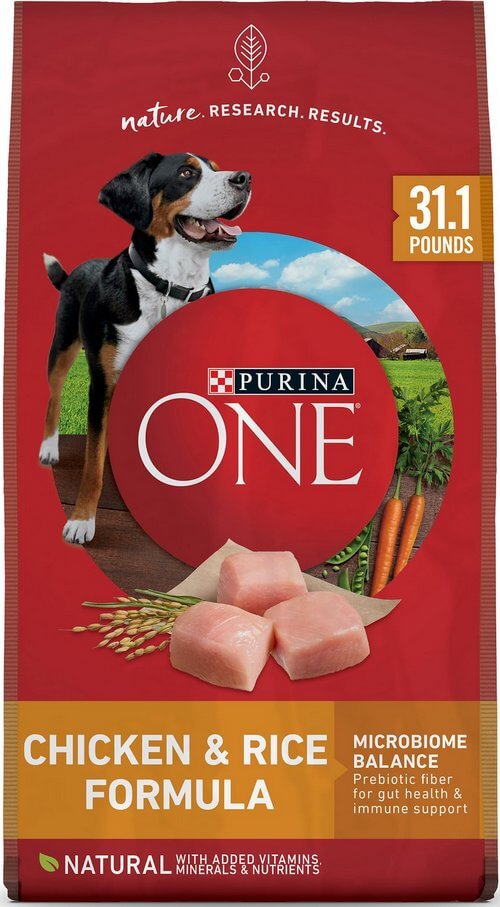
Price and value: what will you spend?
For many families, price decides Pedigree vs Purina One.
What I see in stores:
- Pedigree Lower price per pound. It can be a budget lifesaver for multi-dog homes.
- Purina One Mid-range price. Often a better protein-to-dollar ratio than many premium brands.
A rough example to set expectations:
- A 50-pound dog might eat about 2.5 to 3.0 cups per day.
- On Pedigree, daily cost is often several cents lower per cup than Purina One.
- Over a month, Purina One may cost more, but many owners feel the coat, stools, and energy gains are worth it.
Try a small bag first. Track stool quality, coat shine, and appetite. Let performance, not just price, guide your Pedigree vs Purina One decision.
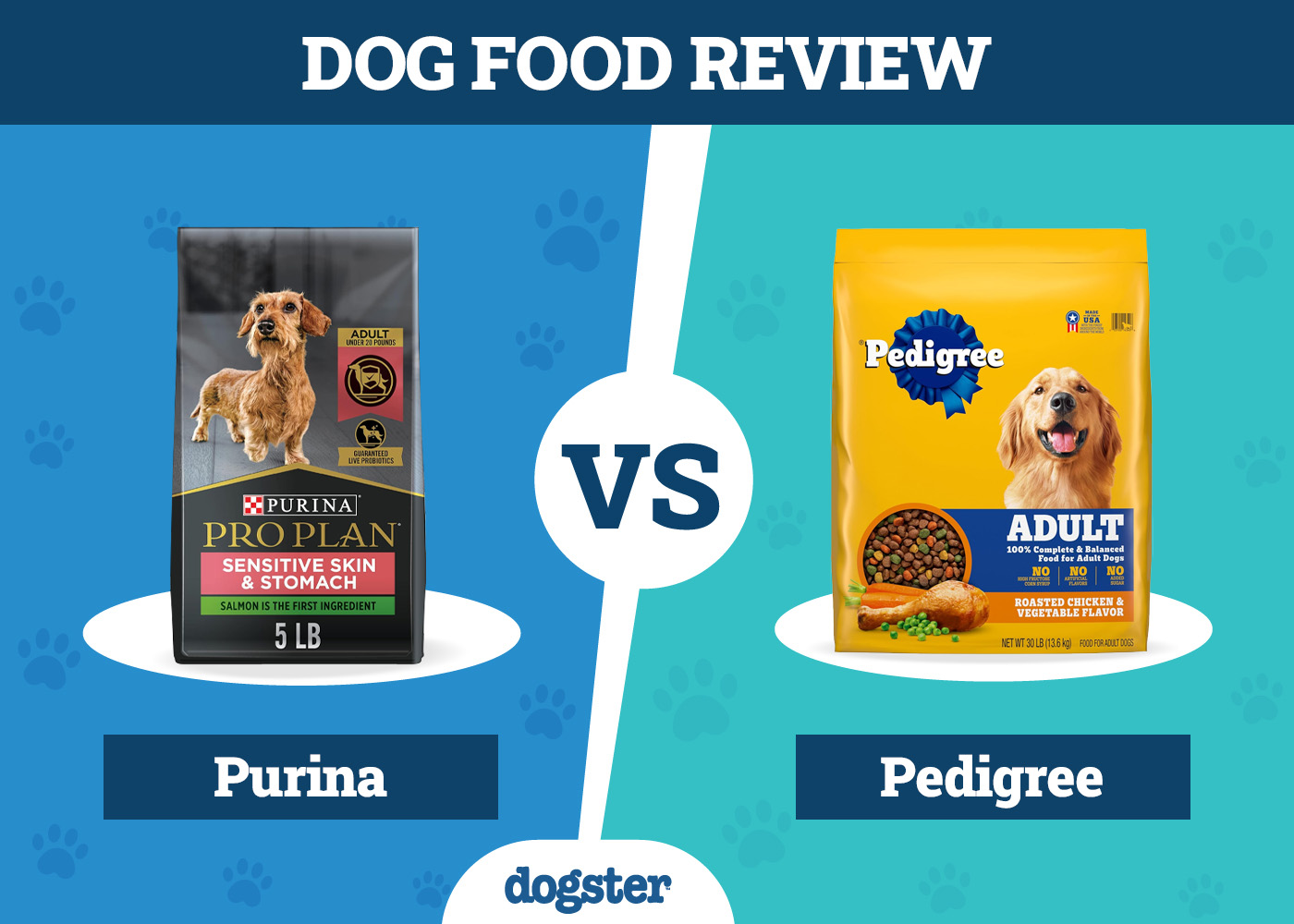
Which should you choose? Use cases and decision guide
When friends ask me about Pedigree vs Purina One, I match the food to the dog, not the label.
Choose Purina One if:
- You want higher protein with real meat high on the list.
- Your dog needs sensitive skin or stomach support.
- You value smaller stools and coat shine over the lowest price.
Choose Pedigree if:
- Budget is tight but you still want complete and balanced nutrition.
- Your dog has no special needs and does well on grain-inclusive recipes.
- You need simple, easy-to-find options in big bags.
Great starting picks:
- Purina One Chicken and Rice for most adults, or Sensitive Skin and Stomach for itchy dogs.
- Pedigree Adult Complete Nutrition for easy keepers, or High Protein Beef and Lamb if you want a bump in protein.
If you still feel stuck on Pedigree vs Purina One, ask your vet about your dog’s body condition score, allergies, and activity. That context beats any label claim.

How to switch foods and avoid tummy troubles
A careful transition makes Pedigree vs Purina One trials smoother.
Follow this simple plan:
- Days 1–2 75% old food, 25% new.
- Days 3–4 50% old, 50% new.
- Days 5–6 25% old, 75% new.
- Day 7 100% new.
Extra tips that help:
- Add a spoon of warm water to boost aroma.
- Consider a vet-approved probiotic.
- Watch for loose stools, gas, vomiting, or itching. If severe, pause and call your vet.
Keep it simple, and change only one thing at a time when testing Pedigree vs Purina One.
Frequently Asked Questions of Pedigree vs Purina One
Is Purina One better than Pedigree for most dogs?
For many dogs, yes, due to higher protein and added functional nutrients. But a healthy, low-activity dog may do well on Pedigree if portioned right.
Which is more affordable day to day?
Pedigree is usually cheaper per pound and per cup. Purina One costs more but may offer better digestibility and coat benefits.
Are by-products in these foods bad?
Not always. By-products can include nutrient-rich organs, and both brands meet AAFCO standards when fed as directed.
Can sensitive dogs eat either brand?
Yes, depending on the trigger. Purina One has specific sensitive skin and stomach recipes, which helps many dogs.
How do I know if the food is working?
Watch stool quality, coat shine, energy, and body weight. If your dog looks and feels good after 4–6 weeks, your choice likely fits.
Conclusion
Pedigree vs Purina One is a balance of budget, nutrition, and how your dog feels day to day. Purina One usually brings higher protein, better extras, and visible results in coat and stool. Pedigree delivers dependable basics at a friendlier price.
Try a small bag, transition slowly, and track simple signs like stools and energy. Your dog’s response is the best data you can get. If this helped, share it with a fellow pet parent, subscribe for more practical guides, or drop your questions in the comments.