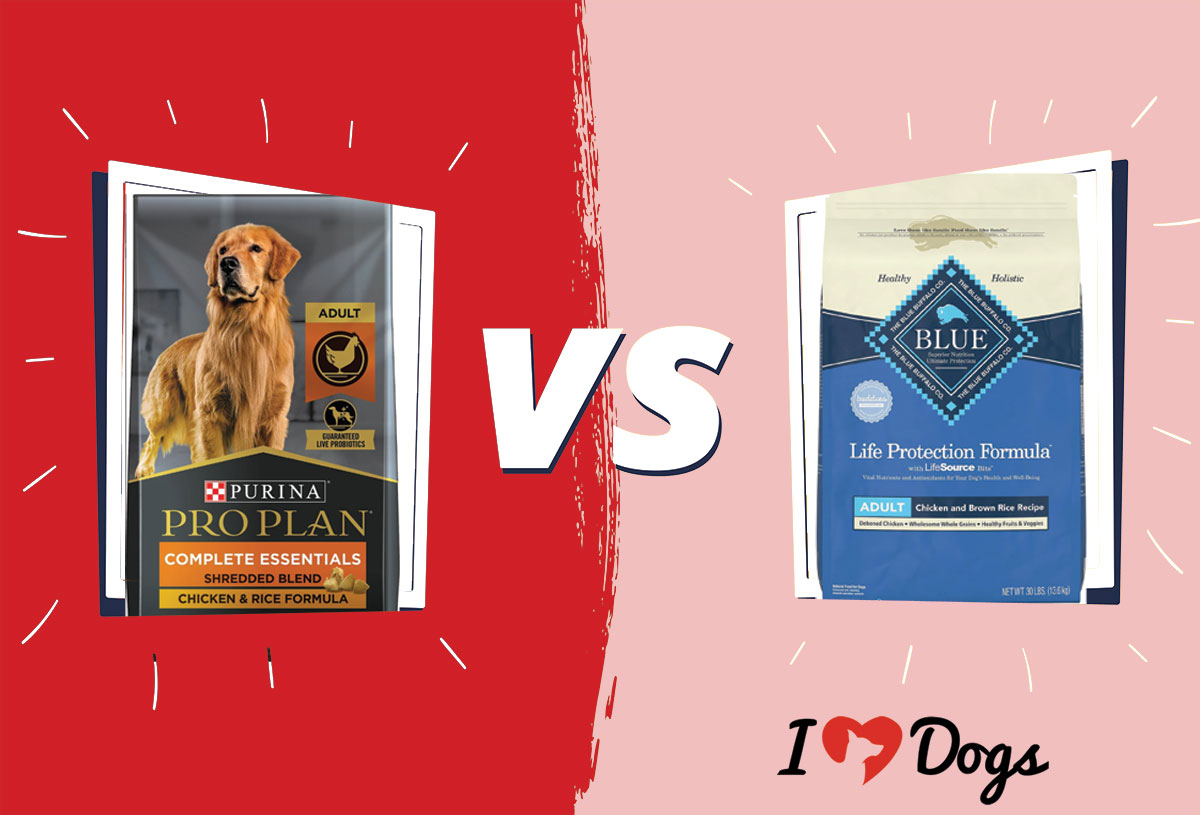
Both are solid, but Purina Pro Plan edges ahead for science-backed nutrition.
You want the facts on Purina Pro Plan vs Blue Buffalo, without fluff. I’ve helped hundreds of pet parents choose between these two giants. In this guide, I unpack what matters most: ingredients, research, safety, price, and real results. If you care about what goes in the bowl, this Purina Pro Plan vs Blue Buffalo breakdown will help you pick with confidence.

Purina Pro Plan vs Blue Buffalo at a glance
Both brands make complete and balanced foods that meet AAFCO profiles. They take different paths to get there. Here is a fast overview.
- Company focus. Purina Pro Plan leans hard on clinical research and feeding trials. Blue Buffalo leads with natural ingredients and a no by-product message.
- Product range. Both offer dry, wet, treats, and vet-only lines. Pro Plan has more niche formulas shaped by trials. Blue has many lifestyle lines with simple claims.
- Veterinarian support. Purina invests in in-house PhD nutritionists and vets, plus peer-reviewed work. Blue Buffalo consults nutrition experts and focuses on ingredient standards.
- Price. Both have premium pricing. Pro Plan is often a bit higher for specialty lines. Blue’s mainstream lines can be mid-premium.
- Palatability. Pro Plan and Blue Buffalo both score well on taste for most pets. Sensitive tummies can prefer different recipes.
- Best for. Pro Plan is strong for performance, sensitive skin and stomach, and clinical nutrition. Blue Buffalo is strong for pet parents who want natural recipes with no corn, wheat, or soy.
This sets the stage for a fair, fact-led look at Purina Pro Plan vs Blue Buffalo.

Ingredient philosophy and sourcing
Ingredients are not just label lines. They shape digestibility, stool quality, and skin health.
- Protein sources. Pro Plan uses real meat and high-quality by-product meal. By-product meal can include nutrient-dense organ parts and can be very digestible. Blue Buffalo highlights deboned meat and avoids poultry by-product meals, which appeals to shoppers who want simple labels.
- Carbs and grains. Pro Plan often uses rice, barley, and oats in many lines, with grain-free options in some recipes. Blue Buffalo offers many grain-free and many grain-inclusive choices such as brown rice and oatmeal.
- Fats and oils. Pro Plan leans on fish oil and precise omega blends for skin and coat. Blue uses fish oil and flaxseed to drive omega 3 and 6.
- Functional extras. Pro Plan adds live probiotics in many dry formulas. Blue uses their LifeSource Bits, a blend of vitamins, minerals, and antioxidants added at lower heat.
- Additives. Both use chelated minerals and essential vitamins. Both avoid artificial flavors in most lines. Some recipes use natural flavor to boost taste.
From a nutrition view, by-product does not mean low quality. What matters is source, processing, and balance. This is a key point in Purina Pro Plan vs Blue Buffalo.
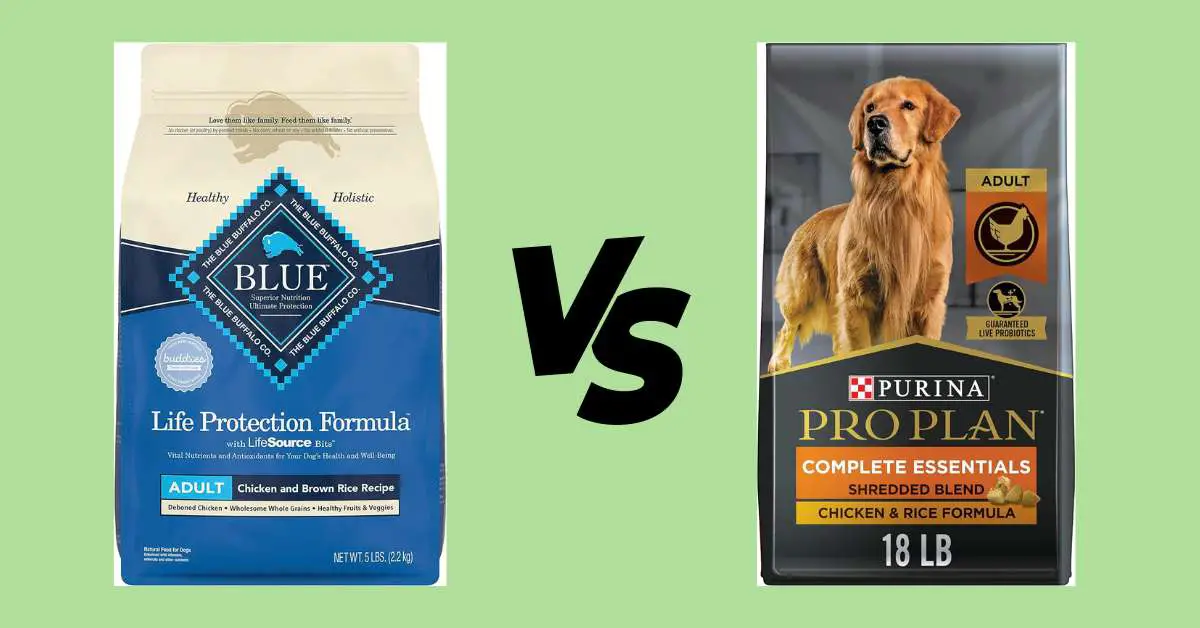 formulation approach”
style=”max-width: 100%; height: auto; border: 2px solid black; border-radius: 10px; display: block; margin: 0 auto;”
loading=”lazy”
/>
Nutrition and formulation approach
Formulation choices show how each brand thinks about results.
- Standards. Both meet AAFCO nutrient profiles. Many Pro Plan diets are also validated through feeding trials, which test real-world digestibility and tolerance. Blue uses formulation to meet profile targets, and also runs palatability and digestibility checks.
- Research depth. Purina publishes on gut health, skin health, and performance. They often use peer-reviewed methods. Blue supports internal R&D and evolves recipes with new data on fibers, proteins, and omega ratios.
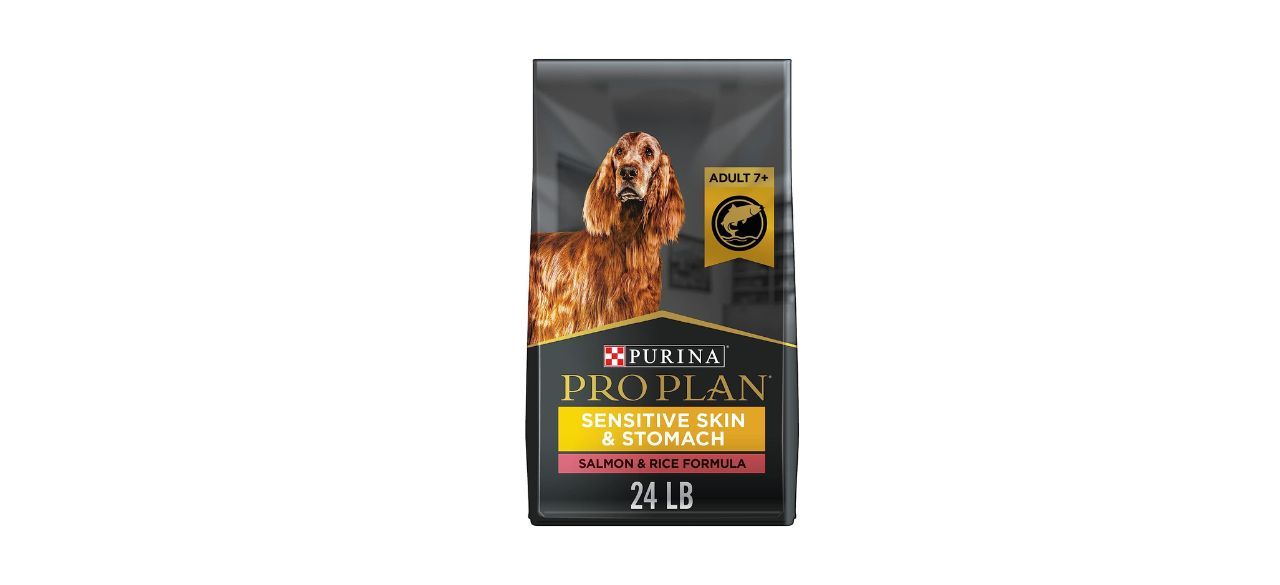
- Sensitive formulas. Pro Plan Sensitive Skin & Stomach is built around salmon, rice, and live probiotics. Blue’s Sensitive Skin & Stomach uses salmon, pumpkin, and gentle grains or grain-free options.
- Grain-free debate. Diets high in certain legumes came under review in cases of diet-associated DCM in dogs. The cause is complex. Both brands offer grain-inclusive choices, which is a safe pick if you worry about this topic.
- Cat-specific needs. Taurine, arginine, and moisture matter a lot for cats. Both brands offer wet and dry lines with added taurine. Many Pro Plan cat recipes push higher protein and urinary support options. Blue offers indoor, hairball, and high-moisture wet foods.
The bottom line in Purina Pro Plan vs Blue Buffalo: both meet core standards, but Pro Plan leans more on trial data and targeted function.
Safety, quality control, and recall history
Safety is more than a clean label. It is about systems.
- Quality control. Pro Plan foods come from facilities with strict testing for pathogens, mycotoxins, and nutrient targets. Blue Buffalo also uses supplier verification and testing at intake and during production.
- Traceability. Both track lots and ingredients. Purina’s scale allows deep post-market checks. Blue partners with multiple plants and audits suppliers.
- Recalls. Both brands have had recalls in the past, as many major brands have. Recalls happen across the industry, and the response speed and transparency matter most.
- Practical tip. Save lot codes and rotate bags. This helps in rare issues and keeps food fresh.
When people compare Purina Pro Plan vs Blue Buffalo, they often ask about recalls. Both invest in safety. Pick a reputable retailer and store food well.
Product lines and best fits
Here is how I match common needs to each brand in real life.
For dogs
- Puppies
- Pro Plan: Great for large-breed puppies with controlled calcium and phosphorous.
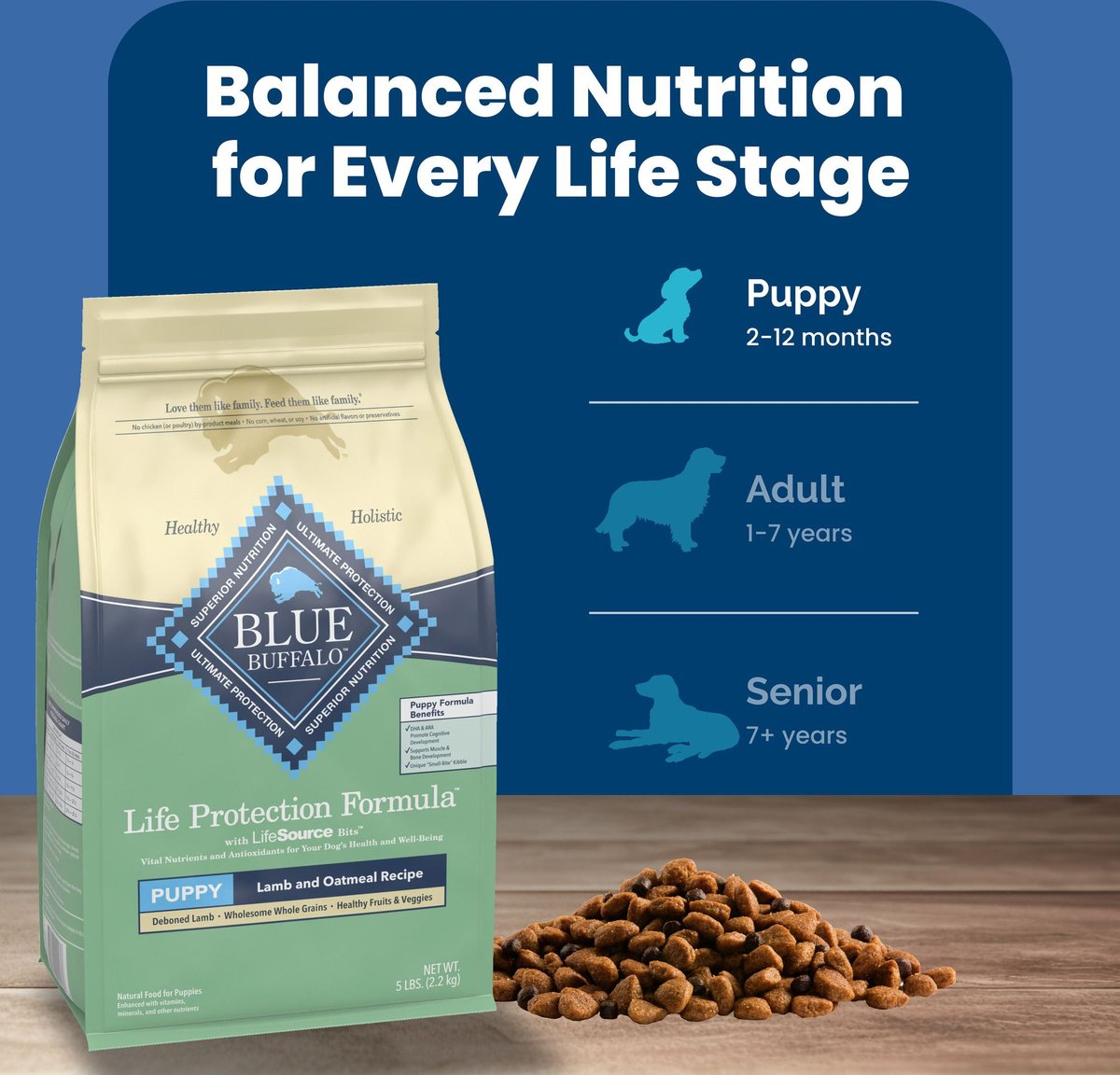
- Blue: Life Protection puppy lines work well for small to medium breeds.
- Sensitive skin and stomach
- Pro Plan: Salmon and rice with live probiotics helps many dogs with soft stool.
- Blue: Limited Ingredient Diets can help if you suspect a single-protein need.
- Performance and sport
- Pro Plan: Sport 30/20 is a go-to for active dogs and lean mass.
- Blue: Wilderness high-protein helps moderate activity dogs.
- Weight management
- Pro Plan: Shaped fiber and protein support muscle while cutting calories.
- Blue: Healthy Weight lines add fiber and lower fat to ease hunger.
For cats
- Kittens
- Pro Plan: High protein with DHA for brain health and steady growth.
- Blue: Kitten lines use deboned chicken and healthy grains or grain-free.
- Hairball and indoor
- Pro Plan: Fiber blends reduce hairball and support stool quality.
- Blue: Indoor lines add fibers and L-carnitine for weight control.
- Sensitive systems
- Pro Plan: Sensitive Skin & Stomach with salmon helps coat and digestion.
- Blue: Limited Ingredient Diets and Basics are simple and gentle.
- Urinary health
- Pro Plan: Urinary formulas target pH and minerals for lower urinary risks.
- Blue: Urinary care lines focus on hydration and mineral balance.
Purina Pro Plan vs Blue Buffalo both have deep shelves. Match life stage, sensitivities, and activity, not just marketing words.
Taste, stools, and skin: real-world performance
Here is what I see when families switch foods.
- Palatability. Most dogs and cats accept both brands. Picky dogs often love Pro Plan’s aroma. Picky cats are 50/50, but fish-first recipes help.
- Stool quality. Pro Plan’s probiotic blends often firm stools in a week. Blue’s pumpkin and fiber mixes help many sensitive dogs as well.
- Skin and coat. Omega-rich recipes from both brands can cut itching and flakes. In my fosters, salmon-based recipes from either brand improved shine in about four weeks.
- Energy and body condition. Higher protein and proper calories keep pets lean and active. Measure portions and re-check every two weeks.
Personal note: in my rescue fosters, Pro Plan Sensitive Skin & Stomach solved loose stools fast. For a cat with chicken sensitivity, Blue’s limited-ingredient turkey formula was the win. That is the heart of Purina Pro Plan vs Blue Buffalo: pick the fit, not the hype.

Price, value, and availability
Both are premium, with price swings by recipe and size.
- Typical ranges
- Pro Plan: mid to upper premium per pound, higher on specialty lines.
- Blue: mid premium on Life Protection and Indoor, higher on Wilderness and limited-ingredient.
- Cost per day estimates
- 50-pound dog on a balanced adult formula: about 1.50 to 3.00 per day for either brand, depending on recipe and appetite.
- 10-pound cat on dry plus wet topper: about 1.00 to 2.00 per day.
- Where to buy. Both are easy to find online and in big-box stores. Vet-only Pro Plan lines are at clinics and select retailers.
- Value view. If you need targeted support, Pro Plan’s research-driven lines may be worth the extra. If you want natural recipes and avoid certain ingredients, Blue gives strong value.
Value in Purina Pro Plan vs Blue Buffalo is about results per dollar, not price per bag.

How to choose between Purina Pro Plan vs Blue Buffalo
Use this simple path.
- Define the goal. Better stools, less itch, weight loss, more energy, or urinary support.
- Pick grain-inclusive first if unsure. It works well for many dogs and cats.
- Choose protein your pet likes. Chicken, turkey, salmon, or lamb are common wins.
- Match life stage. Puppy or kitten, adult, senior.
- Start simple. Avoid too many changes at once. Watch for three weeks.
- Keep a food journal. Track stool score, coat, energy, and appetite.
- Ask your vet if your pet has health needs. Therapeutic diets should be vet-guided.
This is the fastest way to make Purina Pro Plan vs Blue Buffalo a clear call.

Safe switching plan and troubleshooting
A careful transition makes a big difference.
- 7–10 day plan
- Days 1–3: 75 percent old, 25 percent new.
- Days 4–6: 50 percent old, 50 percent new.
- Days 7–10: 25 percent old, 75 percent new, then 100 percent new.
- Watch for signs. Loose stool, gas, itch, or ear debris can mean the recipe is not right. Pause or step back a stage.
- Add helpers. A scoop of plain canned pumpkin can help digestion. A vet-approved probiotic can smooth the switch.
- For cats who refuse dry. Cats can be picky. Small wet food toppers or warm water boost aroma. If you wonder why your cat don’t eat dry food, it can be texture, smell, or stomach comfort.
If the new food fails after two weeks, try a different protein or a sensitive formula in either brand.
Myths and facts to keep in mind
There is a lot of noise out there. Here are clear notes.
- Myth: By-product meals are low quality.
- Fact: They can include organ meats rich in nutrients and be very digestible when well sourced.
- Myth: Grain-free is always better.
- Fact: Many pets do well on gentle grains like rice and oats. Grain-free is a tool, not a rule.
- Myth: Natural means safer.
- Fact: Safety comes from testing and controls. Both brands invest in quality systems.
- Myth: One brand is best for all pets.
- Fact: The right choice depends on your pet, your budget, and your goals.
These points help frame Purina Pro Plan vs Blue Buffalo without fear or hype.
Frequently Asked Questions of Purina Pro Plan vs Blue Buffalo
Is Purina Pro Plan better than Blue Buffalo?
Both are good. Pro Plan often wins for research-backed, targeted formulas. Blue Buffalo often wins for natural ingredient focus and simple labels.
Which brand is safer?
Both invest in quality control and testing. Safety depends on strong systems, batch testing, and storage, not just the brand name on the bag.
Is grain-free the right choice in these brands?
Not always. Many pets do best on grain-inclusive recipes with rice or oats; grain-free works for some sensitivities.
Which is better for sensitive stomachs?
Pro Plan’s probiotic-rich Sensitive Skin & Stomach helps many dogs and cats. Blue’s limited-ingredient lines help when you need a single protein and fewer extras.
What about price and value?
Prices overlap. Pro Plan specialty lines can cost more but may deliver targeted results, while Blue offers strong value with natural recipes.
Do vets recommend one over the other?
Many vets work with research-forward brands, so you may hear Pro Plan more often. Yet, a well-chosen Blue recipe can be an excellent fit for healthy pets.
Which is better for kittens and puppies?
Both offer complete growth diets. Pro Plan has strong large-breed puppy options; Blue has solid choices for small and medium breeds and kittens.
Conclusion
You came for a clear take on Purina Pro Plan vs Blue Buffalo. Here it is: both can nourish your pet well, but your best pick depends on needs, not slogans. If you want data-driven, targeted support, Pro Plan is a strong bet. If you want natural recipes and simple ingredient rules, Blue is a great match.
Choose your goal, match the formula, and track results for three weeks. You will see what works. Ready to decide? Explore a shortlist that fits your pet, start a safe transition, and share your experience or questions in the comments.