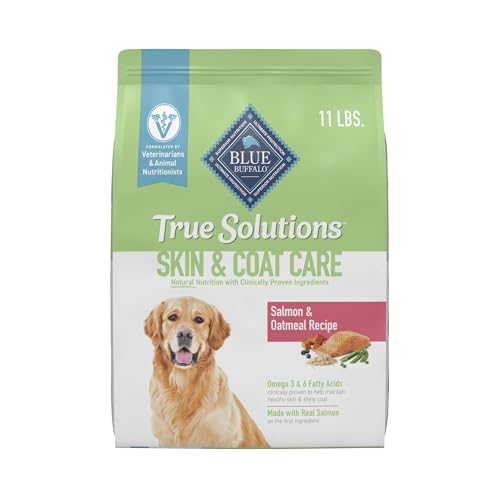
Finding the best dog food for dogs with food allergies can be challenging. Many options exist, but not all suit your furry friend.
Dogs with food allergies need special care and attention when it comes to their diet. Identifying the right food helps prevent allergic reactions and keeps your dog healthy. Food allergies in dogs often cause itching, digestive issues, and ear infections.
Therefore, it’s vital to choose a food that avoids common allergens like beef, dairy, and wheat. Opting for hypoallergenic dog food can make a significant difference in your dog’s well-being. Knowing what ingredients to look for and which to avoid helps you make an informed decision. This guide will help you find the best dog food for your dog’s specific needs.


Buying Guide On Best Dog Food For Dogs With Food Allergies
best dog food for dogs with food allergies
choosing the right dog food is crucial for your pet’s health. Dogs with food allergies need special care. Follow this guide to find the best options.
1. Identify the allergens
first, understand what your dog is allergic to. Common allergens include beef, chicken, and dairy. A visit to the vet can help identify these.
2. Look for limited ingredient diets
foods with fewer ingredients are easier to digest. They reduce the risk of allergies. Check the labels for these diets.
3. Opt for hypoallergenic dog food
hypoallergenic dog foods are designed for sensitive dogs. They often contain unique protein sources like duck or venison.
4. Avoid artificial additives
artificial colors, flavors, and preservatives can trigger allergies. Choose natural, additive-free dog foods.
5. Check for omega fatty acids
omega fatty acids help reduce inflammation. They are beneficial for dogs with allergies. Look for foods rich in these nutrients.
6. Consider grain-free options
grains can sometimes cause allergies. Grain-free dog foods can be a good alternative. Ensure they are nutritionally balanced.
7. Read reviews and ratings
other pet owners’ experiences can guide your choice. Read reviews and check ratings before buying.
8. Consult your veterinarian
always seek advice from your vet. They can recommend the best food for your dog’s specific needs.
9. Monitor your dog’s reaction
after switching foods, observe your dog. Watch for signs of improvement or new allergies. Adjust as needed.
Conclusion
Choosing the best dog food for dogs with food allergies is crucial. It can improve their health and happiness. Always read labels carefully. Look for foods with limited ingredients. Avoid common allergens like wheat, corn, and soy. Consider hypoallergenic options or special vet diets.
Pay attention to your dog’s reactions. Consult your vet for tailored advice. They can recommend the best food for your dog’s specific needs. Remember, every dog is different. What works for one may not work for another. Be patient and observant.
Finding the right food can make a big difference. Your dog deserves the best care. Happy, healthy dogs are worth the effort. Keep their diet simple and nutritious. This will help manage their allergies better.